UK Betting Industry Fires Warning Shots Over Intrusive Affordability Checks Set to Reshape Wagering Landscape
Written by Noah Patterson · Apr 17, 2026

UK Betting Industry Fires Warning Shots Over Intrusive Affordability Checks Set to Reshape Wagering Landscape
Industry Leaders Rally Against Proposed Financial Scrutiny
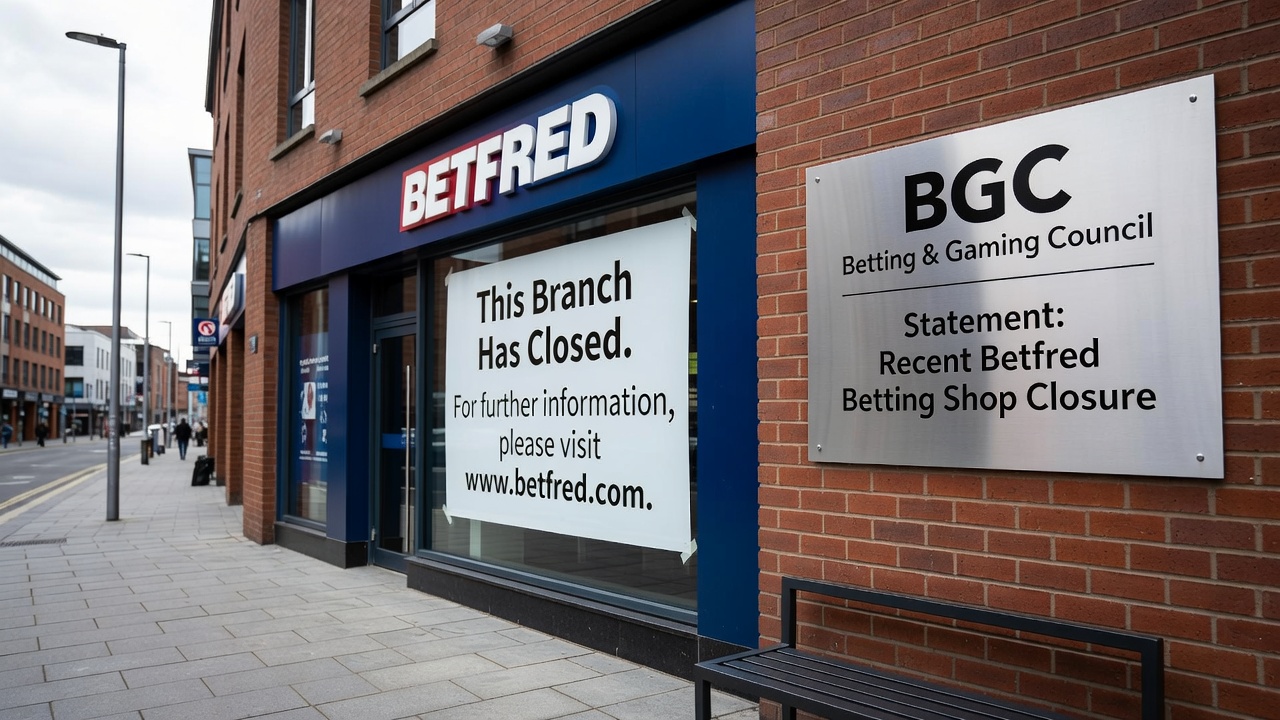
The Betting and Gaming Council (BGC) and the British Horseracing Authority (BHA) have stepped up their campaign against upcoming affordability checks, arguing that these measures—demanding bettors submit sensitive documents like bank statements—stand to drive customers straight into the arms of unregulated illegal betting platforms where consumer protections simply don't exist. Grainne Hurst, CEO of the BGC, pointed out that so-called "frictionless" checks come across as overly intrusive, while trials have delivered inconsistent results that fail to build trust among participants. And as these regulations loom large, especially with potential rollout tweaks eyed for April 2026, the stakes feel higher than ever for an industry already navigating tight scrutiny.
Observers note how such requirements could snag even responsible gamblers right in their tracks, creating barriers that push casual punters toward shadowy offshore operators who offer none of the safeguards baked into licensed UK sites—like self-exclusion tools or dispute resolution. The BGC's stance underscores a core tension: regulators aim to curb problem gambling, yet industry voices warn that heavy-handed tactics might backfire spectacularly, funneling revenue away from taxed, protected markets into untaxed black holes.
BGC CEO Lays Out the Intrusions and Inconsistencies
Grainne Hurst didn't mince words when she described the checks as a privacy nightmare, emphasizing how demands for personal financial records clash with everyday bettors' expectations of seamless access. Trials meant to smooth the process have stumbled, showing spotty accuracy that leaves users frustrated and skeptical; one batch of tests revealed mismatches in data interpretation, while another flagged false positives for low-risk players. But here's the thing—those who've monitored these pilots say the real issue lies in scaling up without alienating the 80% of gamblers who bet responsibly and occasionally.
The BGC, representing major operators from bookmakers to online casinos, has long advocated for smarter alternatives like spending trackers based on deposits rather than deep dives into bank histories, arguing that current proposals miss the mark on both effectiveness and user experience. Hurst's comments echo broader feedback from operators who've tested prototypes, where drop-off rates spiked whenever document uploads entered the equation; punters simply walked away, some muttering about switching to apps that ask no questions at all.
BHA Enters the Fray with Direct Plea to Government
Not to be outdone, the British Horseracing Authority fired off an open letter straight to Culture Secretary Lisa Nandy, zeroing in on the domino effect these checks could trigger for horse racing's fragile funding model. Levy payments from bookmakers, which prop up prize money adn track maintenance, rely heavily on steady wagering volumes; if checks chase away bettors, that cash flow dries up fast, threatening an industry that employs thousands adn draws millions to racecourses annually. The BHA highlighted how even moderate friction—like waiting days for approval—could slash handle on big meetings, turning vibrant events into ghost towns.
Take the Cheltenham Festival or Royal Ascot, where betting drives the buzz; experts who've crunched the numbers warn that a 10-15% dip in UK wagers might force cuts to purses, scaring off top trainers and international talent. And since horse racing contributes over £3.5 billion to the economy yearly, the BHA's letter paints a stark picture: affordability rules designed to protect players could inadvertently hobble a cornerstone sport, all because illegal alternatives lure away revenue with zero oversight.
YouGov Survey Reveals Bettors' Stark Resistance
A YouGov survey commissioned by the BGC lays bare the pushback, with 65% of UK bettors flat-out unwilling to hand over financial data like bank statements for the privilege of placing a bet. Figures from the poll, conducted among a representative sample, show this reluctance cuts across demographics—younger punters cite privacy fears, while older ones worry about digital hassles; overall, it signals a potential mass exodus if checks become mandatory.
What's interesting here is how the data breaks down further: among regular sports bettors, opposition climbs to 70%, and football fans—who make up a huge chunk of the market—express even stronger aversion, often linking it to the spontaneity they crave during live matches. Researchers behind the survey noted that when respondents heard about illegal platforms stepping in as alternatives, comfort levels with unlicensed sites jumped, underscoring a risky trade-off where regulated friction breeds unregulated temptation.
Unregulated Markets Beckon as the Hidden Danger
Turnover to illegal operators represents the elephant in the room, platforms that dodge UK taxes, ignore age verification, and leave losers with no recourse when disputes arise; the BGC estimates such sites already siphon millions annually, and affordability checks could supercharge that trend by making legal betting feel like a bureaucratic slog. Case in point: during earlier trial phases in other regions, like parts of Europe, similar mandates correlated with a 20% uptick in offshore traffic, per industry tracking tools that monitor domain shifts and payment flows.
Those who've studied black market dynamics point out how these sites thrive on anonymity—crypto payments, VPN-friendly access, and aggressive bonuses that licensed firms can't match under advertising rules. And while regulators tout checks as a harm-reduction win, the BGC counters with evidence from pilots showing minimal impact on high-risk behavior, yet massive deterrence for the vast majority who gamble within limits; it's a classic case of the cure proving worse than the disease.
Trials Expose Flaws in the Frictionless Promise
So-called frictionless checks, relying on third-party credit agencies or open banking APIs, promised a no-fuss future, but real-world tests tell a different story—delays averaged three days in some setups, with 15% of applicants rejected due to data glitches that safe bettors couldn't override. Operators reported user abandonment rates hitting 25% mid-process, particularly among mobile-first punters who expect instant action; one trial log, shared in industry briefings, captured a bettor's frustration verbatim: "Won't share my statements for a £20 punt—too much hassle."
Yet the push continues, with Gambling Commission consultations wrapping up amid calls for phased rollouts, potentially hitting in April 2026 unless lobbying sways the timeline. The BHA's letter to Nandy urges a rethink, suggesting opt-in models or deposit caps as less invasive paths forward, while the BGC rallies members to amplify the message through public campaigns.
Balancing Act for Regulators and the Road Ahead
Stakeholders on all sides agree problem gambling demands action, yet the devil's in the details when it comes to implementation; data from existing tools like GAMSTOP shows self-exclusion works without blanket financial probes, and affordability metrics could evolve via transaction patterns rather than invasive audits. People who've navigated similar rules abroad, such as in Sweden or Ontario, often discover that softer touches retain compliance without the backlash.
The ball's now in the government's court, with Nandy's department weighing submissions as April 2026 approaches—a deadline that could cement changes or spark delays if industry data sways the scales. Meanwhile, bettors keep wagering, unaware of how these behind-the-scenes battles might alter their next flutter.
Wrapping Up the Warnings
In the end, the BGC and BHA's united front paints affordability checks as a double-edged sword, poised to shield some while shoving others into riskier shadows; the YouGov findings crystallize the user revolt at 65% resistance, trials expose practical pitfalls, and horse racing's funding lifeline hangs in precarious balance. As consultations churn toward potential April 2026 activation, the industry holds its breath, hoping for tweaks that preserve protections without pricing out the punters who fuel it all. Observers watch closely, knowing the next moves could redefine UK betting's contours for years to come.