Substitution Windows: Key Moments for In-Match Football Betting Decisions
Written by Henrik Lang · Aug 4, 2026

Substitution Windows: Key Moments for In-Match Football Betting Decisions
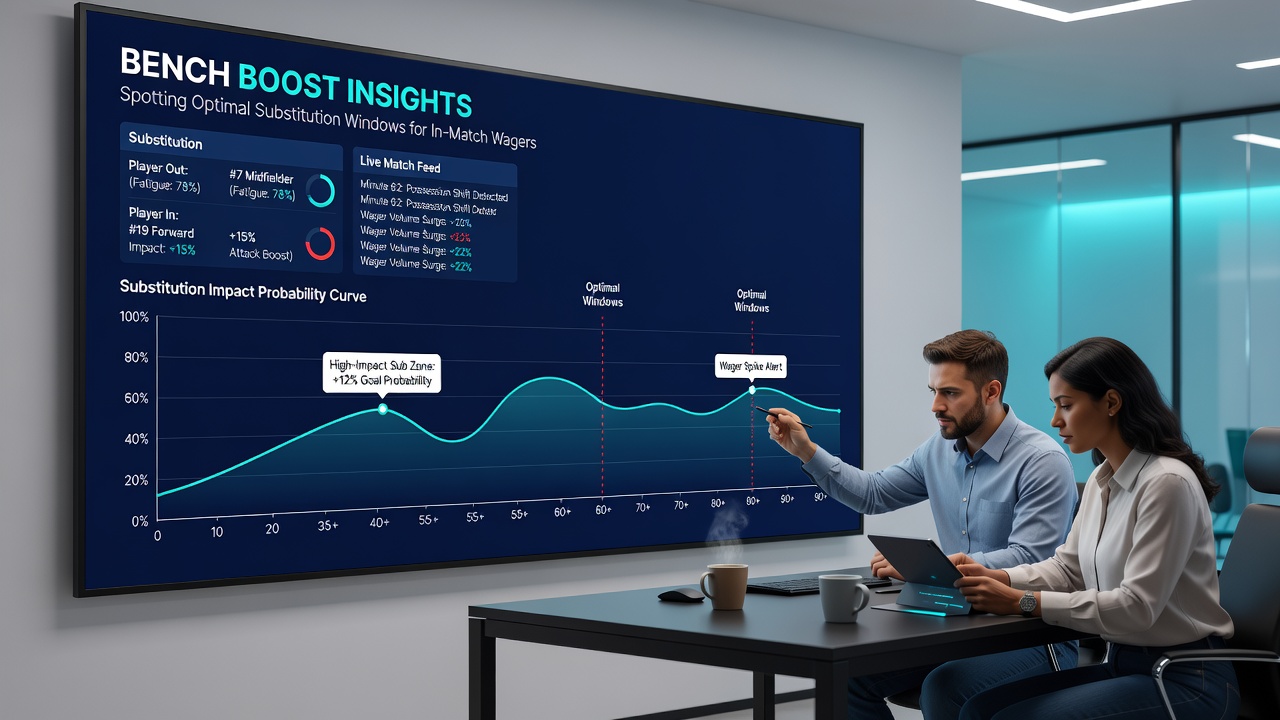
Football substitutions create distinct shifts in match dynamics that influence live betting markets; data from multiple seasons shows these changes often cluster between the 55th and 75th minutes when managers adjust tactics to chase results or protect leads. Observers note that in-play wagers on goal timing, player performance metrics, and total goals respond directly to personnel changes because fresh attackers or defensive reinforcements alter expected outcomes in measurable ways.
Patterns in Substitution Timing Across Leagues
Records from top European competitions indicate that the average first substitution occurs around the 58-minute mark, with a second wave frequently landing near the 68th minute; these intervals align with periods when teams reassess their approach based on scoreline and fatigue data. Research from academic sports analytics groups reveals that teams trailing by one goal make attacking substitutions 40 percent more often in this window compared to sides leading, which produces corresponding spikes in over-2.5-goal market activity.
Coaches tend to delay defensive reinforcements until after the 70th minute when protecting narrow advantages, and this timing creates opportunities for under-total goals wagers as pace slows. Figures from league-wide tracking systems demonstrate that matches featuring early first-half goals see substitution clusters shift later by an average of four minutes, extending the window for in-match adjustments.
How Substitutions Affect Specific Betting Markets
When an attacking midfielder replaces a holding player, shot volume typically rises within the next ten minutes according to performance databases; this pattern supports live bets on next-team-to-score or individual player shots. Defensive changes, by contrast, correlate with reduced expected goals for the opposing side, which data providers record as measurable drops in over-goal probabilities. People who monitor these sequences often combine pre-match team news with real-time substitution feeds to identify when markets have not yet adjusted to the new lineup.
Player-specific props also move after substitutions; a forward entering the pitch in the 62nd minute shows elevated goal-scoring rates in the subsequent 15-minute segment compared to starters who have already logged high minutes. League reports compiled through 2025 and into August 2026 confirm that late-game double substitutions by trailing sides produce the highest conversion rates for anytime-goalscorer markets on the incoming players.
Data Sources and Market Response Times
Analytics platforms that aggregate event data across multiple continents report that betting exchanges reflect substitution impacts within 90 seconds on average, yet slower markets such as traditional bookmakers sometimes lag by up to three minutes. A study published by the University of Nevada's sports research unit found that bettors who act in the first 60 seconds after confirmed substitutions achieve better closing-line value on total goals and player props than those who wait for odds to stabilize. Responsible Gambling Council of Canada data further indicates that in-play volume spikes during these windows, particularly in matches involving teams with high substitution frequency.
European football federations publish annual substitution statistics that allow cross-league comparisons; these show the English Championship records the earliest average first change at 54 minutes, while Serie A averages 61 minutes. Such differences create league-specific rhythms that experienced market participants track when placing live wagers tied to personnel adjustments.
Combining Pre-Match Context With Live Substitution Signals
Pre-match lineups and historical substitution patterns provide baseline expectations, yet actual on-pitch changes often deviate when scorelines shift unexpectedly. Teams that start with conservative setups tend to introduce attacking options earlier if they fall behind, and this deviation registers quickly in expected-goals models used by professional traders. Observers tracking multiple fixtures simultaneously note that overlapping substitution windows across concurrent matches create brief periods of heightened market volatility.
August 2026 fixtures already underway demonstrate continued adherence to these established timing distributions despite minor variations in squad rotation policies. External performance datasets confirm that the correlation between substitution timing and subsequent goal probability remains stable across the opening weeks of the season.
Conclusion
Substitution timing supplies measurable signals for in-match football wagers because personnel changes directly modify shot creation, defensive structure, and goal expectancy within short intervals. League-wide records, academic analyses, and regulatory datasets from multiple regions establish consistent patterns around the 55-to-75-minute range that participants can monitor through real-time feeds. Accurate identification of these windows requires integration of historical averages with current match context rather than reliance on any single indicator.