Punts on the Rise: Decoding Britain's Betting Boom and Shifts
Written by Willa Roth · Mar 22, 2026

UK Gambling Commission Q2 Stats: £4.3 Billion GGY Highlights Remote Surge and Steady Land-Based Betting
The Latest Snapshot from teh Gambling Commission
Observers tracking the UK gambling landscape now have fresh data to chew on, as the UK Gambling Commission released its Q2 industry statistics covering July to September 2025 across Great Britain; this quarterly report, part of the financial year running from April 2025 to March 2026, paints a clear picture of Gross Gambling Yield (GGY) hitting £4.3 billion when including lotteries, while excluding them drops the figure to £3.2 billion.
GGY, which measures the total amount gambled minus winnings paid out to players, serves as a key barometer for industry health; figures like these reveal not just revenue streams but also where activity concentrates, with remote sectors pulling ahead in a big way during this period.
What's interesting here is the split between remote and land-based operations, as remote casino, betting, and bingo together generated £2.0 billion, dwarfing the £1.2 billion from land-based equivalents; casino slots and games alone commanded £1.4 billion of that remote pot, snagging a 69.9% share and underscoring their dominance in the digital space.
Remote Sectors Take the Lead
Remote activity, fueled by online platforms accessible via smartphones and computers, continues to reshape the market; data shows casino operations leading the charge at £1.4 billion, a figure that reflects player preference for slots and table games from home comforts, while betting and bingo fill out the remaining remote GGY to reach that £2.0 billion total.
Experts who've pored over these numbers note how remote casino's slice—nearly 70% of the remote pie—highlights tech-driven convenience winning out, especially since players can log in anytime without trekking to a physical venue; this shift, ongoing for years now, shows no signs of slowing as broadband access expands across Great Britain.
But here's the thing: while remote numbers climb, they don't eclipse the lottery's pull entirely, given its inclusion boosts overall GGY to £4.3 billion; excluding lotteries keeps the focus on core gambling like casinos and betting, where £3.2 billion emerged as the adjusted total for Q2.
Land-Based Holds Ground with Betting Shops at the Core
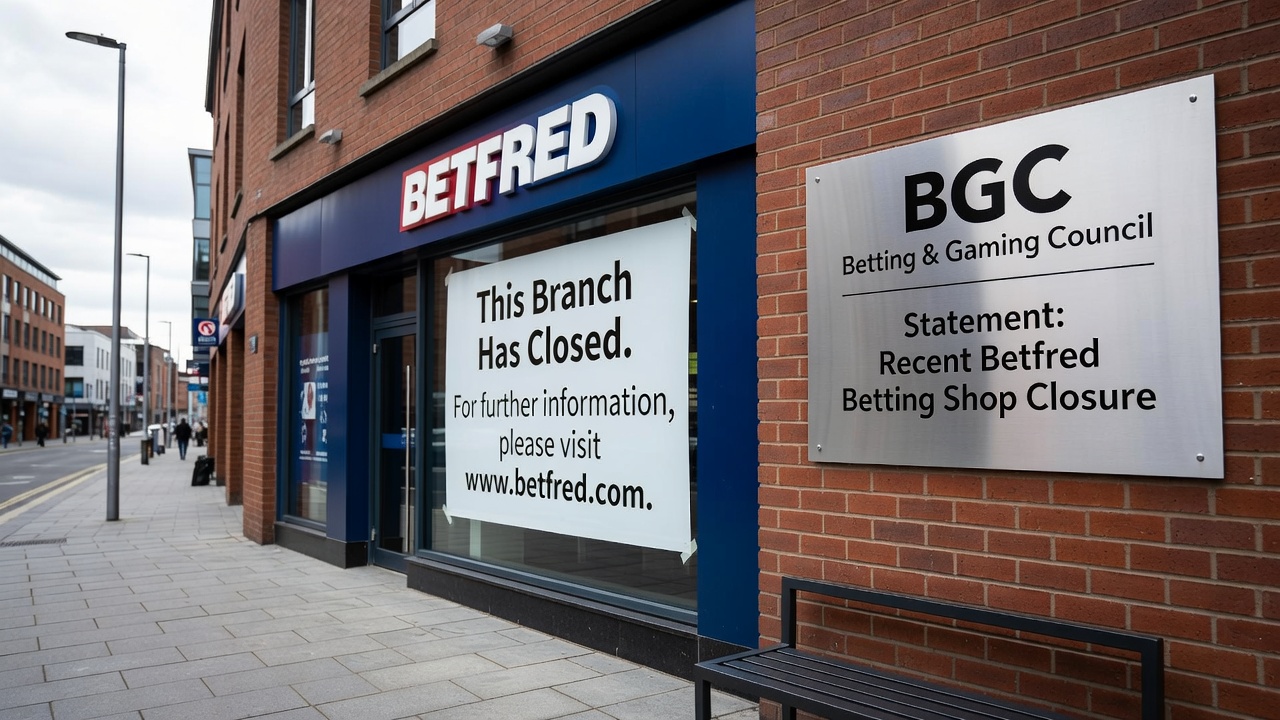
Land-based sectors, though smaller at £1.2 billion total GGY, demonstrate resilience, particularly through non-remote betting which contributed £592 million—accounting for 48.2% of the land-based haul; this segment, rooted in high-street betting shops, remains a staple despite the online boom.
There were 5,782 betting shops operating during this quarter, a stable count that speaks to enduring foot traffic for in-person wagering on sports and events; alongside them, licensed premises housed 190,965 machines, including slots and gaming terminals that draw crowds to arcades, casinos, and pubs.
Take one observer who's followed these trends: they point out how non-remote betting's half-share of land-based GGY underscores its role as an anchor, even as remote alternatives proliferate; machines in these venues, numbering nearly 191,000, keep the physical ecosystem buzzing, blending tradition with steady revenue.
Infrastructure Numbers Tell a Story of Stability Amid Change
And yet, while remote GGY soars to £2.0 billion, the land-based side clings to its £1.2 billion through infrastructure that's barely budged; 5,782 betting shops dot the landscape, providing localized access that online can't fully replicate, especially for those who prefer the social vibe of cheering a match with others nearby.
Machines at 190,965 across licensed spots—whether family entertainment centers or adult gaming clubs—support a diverse range of play, from low-stakes fun to higher-limit sessions; data indicates these assets underpin the non-casino land-based revenue, complementing betting's lead.
Turns out, this balance reflects broader patterns: remote casino's £1.4 billion (69.9% of remote) pulls players digitally, but physical betting shops and machines ensure land-based doesn't fade entirely; the report, covering July through September 2025, captures this midway through the April 2025 to March 2026 financial year, setting the stage for whatever Q3 brings.
People who've studied quarterly releases like this one often discover how infrastructure stats—shops and machines—signal operational health; stable at 5,782 shops and 190,965 machines, these figures suggest operators maintain presence on the ground, even as remote GGY outpaces by a wide margin.
Sector Breakdowns and What the Data Reveals
Delving deeper, remote casino's £1.4 billion dominance within its £2.0 billion group makes sense when considering accessibility; players tap apps for blackjack or roulette anytime, driving that 69.9% share, whereas remote betting and bingo split the rest based on event timings and community draws.
On the land-based front, non-remote betting's £592 million—48.2% of £1.2 billion—leads because football matches, horse races, and other live events keep shops lively; the remaining land-based GGY flows from casinos, bingo halls, and those ubiquitous machines, creating a multifaceted physical yield.
It's noteworthy that total GGY including lotteries reaches £4.3 billion, a hefty sum reflecting National Lottery contributions alongside commercial gambling; strip those out for the £3.2 billion core, and the remote-land split sharpens, with online at £2.0 billion versus £1.2 billion offline.
Now, as March 2026 approaches to close this financial year, these Q2 stats offer a benchmark; operators eye them closely, since they inform licensing, compliance, and investment—betting shops stay put at 5,782, machines hum at 190,965, and remote casino reigns supreme.
Case in point: one analyst reviewing past quarters noticed how remote growth accelerates seasonally around major sports, yet land-based betting holds firm; this Q2 data reinforces that, with infrastructure numbers steady amid the digital tilt.
Key Takeaways from the Quarterly Report
Figures reveal a market in flux but balanced: £4.3 billion GGY total (lotteries in), £3.2 billion without; remote £2.0 billion led by casino's £1.4 billion (69.9%), land-based £1.2 billion anchored by betting's £592 million (48.2%).
So, with 5,782 shops and 190,965 machines, the physical side persists; the reality is, ongoing shifts favor remote, yet betting infrastructure remains rock-solid, a dynamic captured precisely in this July-September 2025 window.
Those monitoring toward March 2026 see these stats as pivotal, highlighting where revenue pools and player habits evolve without disrupting the overall ecosystem.
Conclusion
The UK Gambling Commission's Q2 release for July to September 2025 delivers concrete insights into a £4.3 billion GGY landscape (including lotteries at £3.2 billion excluding), where remote sectors generate £2.0 billion—casino topping £1.4 billion at 69.9%—while land-based yields £1.2 billion with non-remote betting at £592 million or 48.2%; 5,782 betting shops and 190,965 machines round out a picture of digital momentum meeting physical stability.
As the financial year progresses to March 2026, these numbers set expectations, showing industry adaptation in action; data like this keeps stakeholders informed, revealing trends without the guesswork.