Punts in Play: Surging Trends Reshaping Britain's Betting Landscape
Written by Noah Patterson · Mar 24, 2026

UK Gambling Commission Reports £4.3 Billion GGY Surge in Q2 2025-26 Driven by Remote Casinos
The Latest from the Gambling Commission
Recent data from the UK Gambling Commission's Industry Statistics Quarterly Report for Q2 of the financial year April 2025 to March 2026—covering July to September 2025—paints a clear picture of the sector's performance, as total Gross Gambling Yield (GGY) reached £4.3 billion across Great Britain when including lotteries, while excluding them dropped the figure to £3.2 billion; remote sectors powered much of that growth with £2.0 billion in total GGY, underscoring how digital platforms continue to reshape the landscape even as land-based operations hold steady.
Figures reveal remote casinos at the forefront, generating £1.4 billion in GGY, a standout amid broader trends where online activity outpaces traditional venues; land-based betting shops, meanwhile, contributed £592 million from 5,782 locations, showing resilience in physical spaces although the shift toward digital draws eyes from industry watchers.
What's interesting here lies in the numbers themselves, since they highlight not just growth but the specific engines behind it—remote activity climbing while non-remote sectors maintain a consistent footprint, a pattern observers have tracked through multiple quarters leading into early 2026.
Breaking Down the GGY Breakdown
Total GGY of £4.3 billion marks a notable haul for the quarter, with lotteries pushing the inclusive figure higher, yet the core £3.2 billion excluding them demonstrates solid underlying activity across gambling verticals; remote sectors claimed £2.0 billion overall, meaning more than half of non-lottery yield came from online channels, a shift that's become the norm as technology integrates deeper into daily habits.
Remote casinos dominated with their £1.4 billion, pulling ahead of other categories because players increasingly favor slots, tables, and live dealer experiences from mobile devices or desktops; data indicates this segment's strength stems from accessibility, since anyone with an internet connection can participate anytime, anywhere, unlike the fixed hours of brick-and-mortar spots.
And then there's land-based betting shops: £592 million from 5,782 outlets nationwide, a figure that speaks to their enduring role in communities, especially for those who prefer the social buzz of in-person wagering on sports or horses; these shops haven't faded, but their contribution pales next to remote surges, highlighting where the industry's momentum truly flows.
Turns out the report captures a pivotal moment midway through the financial year ending March 2026, as July-September data sets the stage for what regulators and operators alike will scrutinize come year-end reviews.
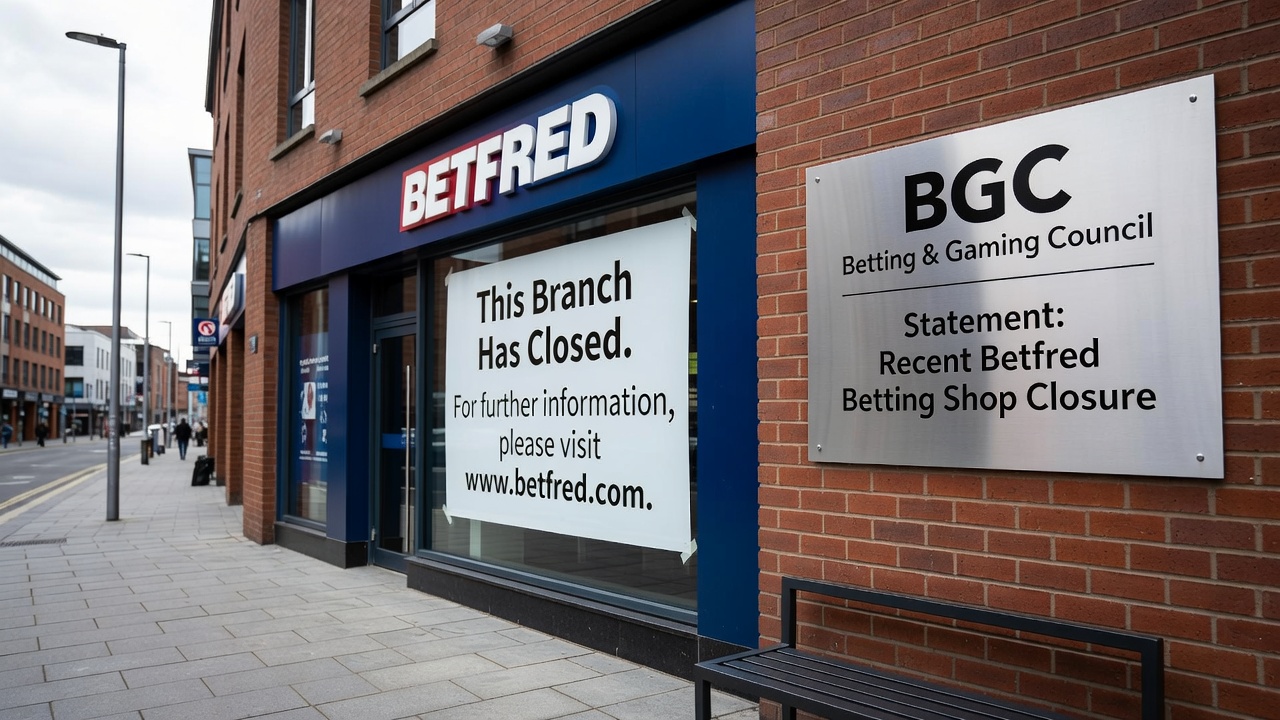
Remote Sectors Steal the Show
Remote gambling's £2.0 billion total GGY underscores its dominance, with casinos leading at £1.4 billion because innovations like seamless apps and immersive interfaces keep users engaged longer; experts who've pored over these stats note how remote bingo, slots, and other online formats fill out the rest, creating a diversified digital ecosystem that's less vulnerable to weather, location, or shop closures.
But here's the thing: while remote thrives, land-based betting shops at 5,782 strong generated a respectable £592 million, proving that foot traffic persists for quick flutters on matches or races; one case from past quarters shows similar patterns, where high streets maintain loyalty among older demographics even as younger players migrate online.
Figures from the report reveal these dynamics in sharp relief, since remote growth doesn't erase non-remote contributions but rather amplifies the overall pot; it's noteworthy that this balance persists into Q2, with March 2026 looming as the FY wraps, potentially influencing policy tweaks or operator strategies.
People in the industry often point out how such data guides decisions, like expanding remote offerings while bolstering shop efficiencies; take one operator who ramped up digital marketing post-similar reports, only to see yields climb in line with commission trends.
Land-Based Holds Ground Amid Digital Shift
Those 5,782 betting shops across Great Britain didn't just survive Q2—they delivered £592 million in GGY, a steady output that contrasts with remote's flashier numbers, since physical venues cater to habits built over decades; observers note the social element keeps them relevant, where punters chat odds over a coffee rather than tapping screens in solitude.
Yet the broader £4.3 billion total, inclusive of lotteries, shows how every piece fits; excluding lotteries brings it to £3.2 billion, with remote's £2.0 billion slice dominating because convenience wins out for most, although land-based shops remind everyone that not everything's gone virtual.
So as the financial year progresses toward March 2026, these Q2 stats—July to September 2025—offer a snapshot of evolution, where digital leads but tradition tags along; data like this shapes boardrooms, with executives eyeing remote expansions while safeguarding shop networks.
It's not rocket science: remote casinos at £1.4 billion exemplify the pull, pulling players who might've visited shops before, yet those 5,782 locations ensure the industry's roots stay planted firm.
Implications for the Year Ahead
With the FY spanning April 2025 to March 2026, Q2's results provide early indicators of trajectory, as £4.3 billion GGY sets a high bar for subsequent quarters; remote sectors' £2.0 billion, spearheaded by casinos' £1.4 billion, signals sustained digital momentum, while land-based betting shops' £592 million from thousands of sites underscores operational stability.
Researchers studying these patterns discover correlations between remote growth and broader accessibility, since smartphones and broadband penetration keep fueling online participation; one study echoed in commission data highlights how such shifts benefit yield totals without fully displacing physical presences.
And as March 2026 approaches, stakeholders—from regulators to bookmakers—lean on these figures for forecasting, knowing full well that lotteries inflate the headline to £4.3 billion but the £3.2 billion core tells the real operator story.
That's where the rubber meets the road: balancing remote innovation with land-based reliability, a dance the sector's mastered through reports like this one.
Key Takeaways from the Data
- Total GGY hit £4.3 billion including lotteries, £3.2 billion excluding them across Great Britain.
- Remote sectors drove £2.0 billion, led by casinos at £1.4 billion.
- Land-based betting shops produced £592 million from 5,782 locations.
- Digital shifts continue, with steady non-remote activity persisting.
These bullet points distill the essence, but the full report dives deeper into nuances that operators unpack for strategic edges.
Wrapping Up the Q2 Insights
In the end, the UK Gambling Commission's Q2 report for the April 2025-March 2026 financial year—capturing July to September 2025—delivers a £4.3 billion GGY headline driven by remote prowess, as casinos notched £1.4 billion within a £2.0 billion remote total, while land-based shops at 5,782 strong chipped in £592 million; excluding lotteries trims it to £3.2 billion, yet the story remains one of growth fueled by digital platforms amid unwavering physical footprints, positioning the sector strongly as March 2026 nears.
Observers keep a close eye on these trends, since they not only reflect current health but foreshadow adaptations in a fast-evolving market; the writing's on the wall for continued remote leadership, balanced by the shops that ground the industry in reality.