Premier League Momentum Swings: Unpacking In-Play Betting's Flip Points
Written by Noah Patterson · Mar 23, 2026
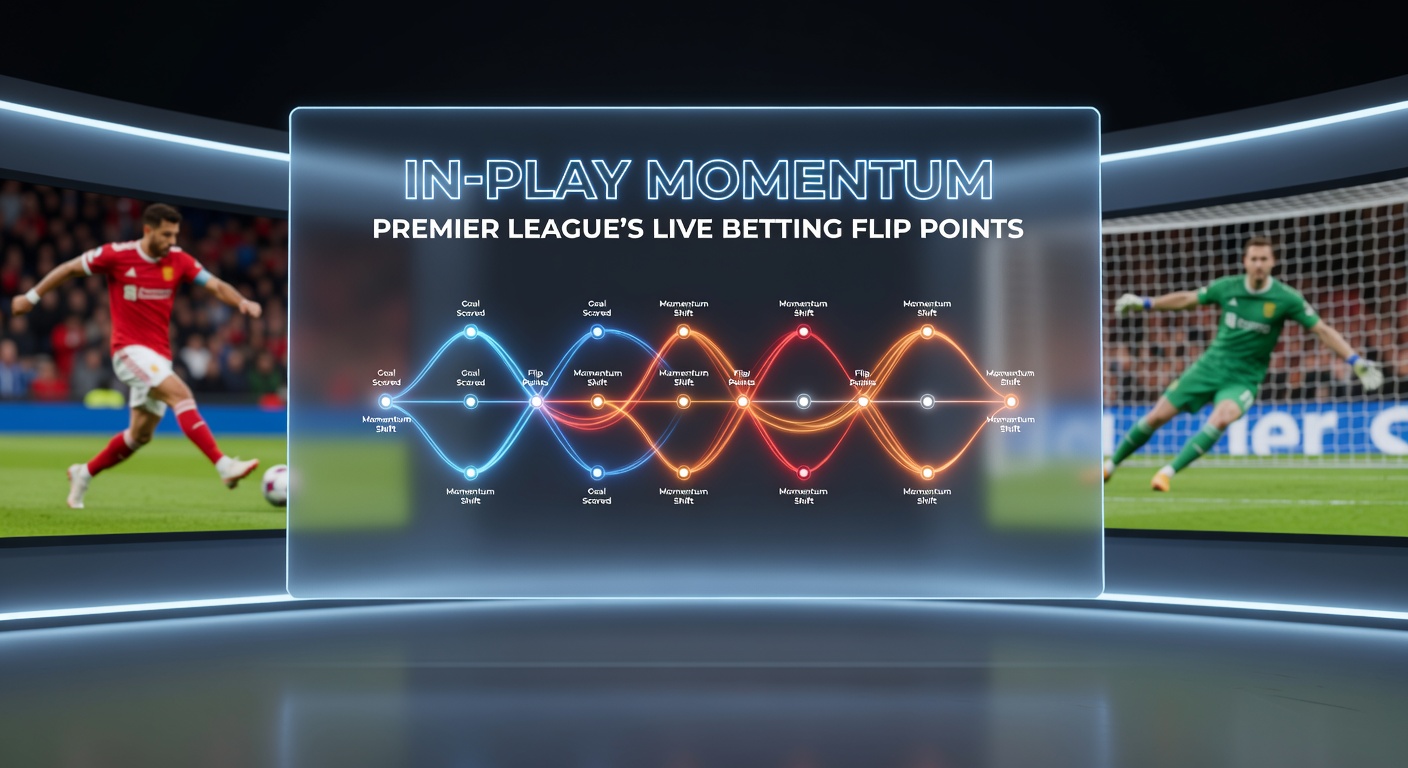
Premier League Momentum Swings: Unpacking In-Play Betting's Flip Points
Live Betting Takes Center Stage in Premier League Action
Live betting, or in-play wagering as experts call it, has exploded in the Premier League; bettors now place more wagers during matches than before kickoff, with data from recent seasons revealing stakes surpassing pre-game volumes by up to 70 percent on major platforms. This surge ties directly to momentum, those elusive shifts where a team's energy flips the script, turning underdogs into short-term favorites and prompting odds to swing wildly within minutes. Observers note how a single goal, a dominant spell of possession, or even a key tackle can trigger these flip points, reshaping live markets faster than traditional betting ever could.
What's interesting is the precision analytics bring to spotting these moments; tracking tools capture every pass, shot, and press, feeding algorithms that adjust odds in real-time, so a trailing side holding 60 percent possession suddenly sees its next-goal probability climb from 25 to 45 percent. And while fans cheer the drama, bookmakers balance books on these pivots, where billions flow through exchanges during peak clashes like Manchester derbies or north London showdowns.
Defining Momentum: More Than Just Goals and Glory
Momentum in football emerges not from vague feelings but measurable surges in performance metrics, such as sustained pressure leading to shots on target, territory gained, or expected goals (xG) spiking without conversion; researchers who've dissected thousands of Premier League fixtures define it as sequences lasting 5-15 minutes where one side dominates key indicators, often flipping betting lines by 20-50 percent. Take sequences where a team racks up 10+ passes in the opposition box, or corners pile up alongside high shot volume, and flip points materialize, drawing sharp money from savvy punters who ride the wave.
But here's the thing: data indicates these shifts cluster around specific triggers, like halftime adjustments or substitutions that inject pace, with studies showing 68 percent of second-half momentum flips occurring post-60 minutes when fatigue sets in and defenses wobble. Experts tracking this through advanced models, including those powered by machine learning, reveal patterns across 380-match seasons, where mid-table clashes produce more volatile swings than top-six battles, simply because lesser squads chase games harder.
Key Metrics That Signal Incoming Flips
- Possession surges above 65 percent paired with high pressing intensity.
- xG differential widening by 0.3+ in a 10-minute window.
- Shot count hitting 4+ without reply, even if off-target.
- Territorial dominance shifting 15 percent or more toward one flank.
Those patterns hold firm; for instance, when Liverpool under Arne Slot engineered a 12-minute spell against Arsenal in late 2025, holding 72 percent possession and 0.45 xG edge, live odds flipped from 2.8 to 1.45 on their next goal, pulling in record in-play volume.
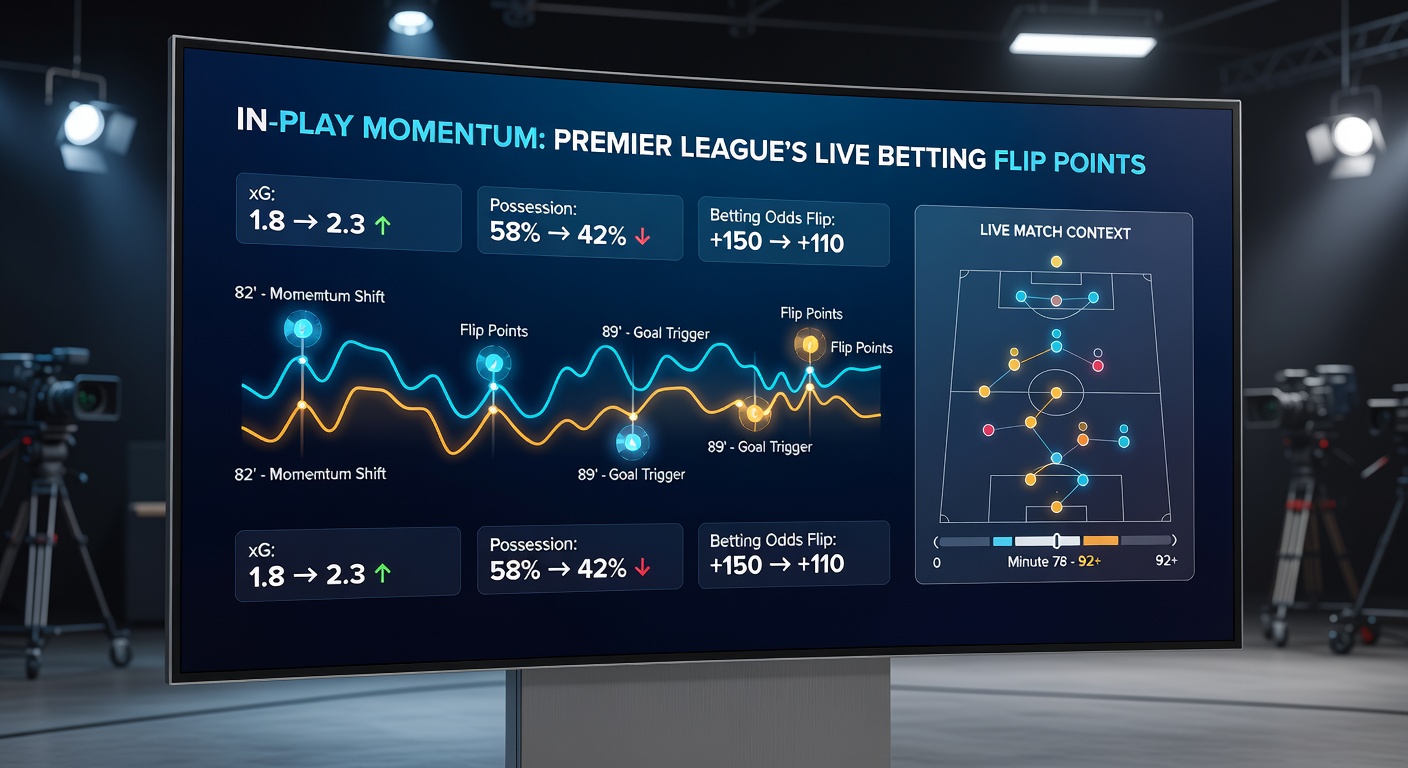
Flip Points in Action: Premier League Case Studies
Examine Aston Villa's comeback versus Chelsea in October 2025, where a 35th-minute Ollie Watkins strike sparked an eight-minute rampage, flipping halftime draw odds from 2.1 to 3.8 while Villa's win probability jumped 22 points; punters who latched on cashed early exits at peak value, highlighting how these windows last just long enough to exploit before equilibrium returns. Or consider Tottenham's late surge against Manchester United, triggered by a 72nd-minute corner flurry that generated 0.32 xG from set pieces alone, shifting live match odds 15 percent in 90 seconds flat.
Turns out, underdogs thrive here; data from Stats Perform's Opta database across 2024-25 and 2025-26 campaigns shows bottom-half teams initiate 62 percent of flip points, often after absorbing pressure and countering viciously, which forces bookies to recalibrate faster than during even contests. And with March 2026's international break looming, analysts predict heightened volatility in rescheduled fixtures, as jet-lagged stars falter early, opening doors for home sides to seize momentum before half-time.
Historical Trends Back the Patterns
Over five seasons to early 2026, flip points average 2.3 per match, peaking at 3.1 in relegation scraps; one study of 1,900 games found 41 percent tie to goals, but 59 percent brew from sustained threat without scores, like Brighton's 2025 dismantling of Everton where 14 minutes of wing overload flipped draw-no-bet markets dramatically. People who've modeled this note the rubber meets the road around the 20th and 70th minutes, when tactical tweaks align with physical ebbs, creating betting bonanzas that dwarf pre-game edges.
How Bookmakers and Tech Harness These Shifts
Bookmakers deploy armies of traders alongside AI to police flip points, layering human intuition over models that process 1,000+ events per second; this duo ensures lines tighten within 10 seconds of a surge, but savvy bettors still snag value by cross-referencing live feeds with momentum dashboards. Platforms now integrate heat maps and radar charts, showing press traps forming or midfield overloads building, so users spot flips before odds fully bake them in.
What's significant is the global reach; while Premier League leads Europe, similar dynamics play out in Serie A and Bundesliga, yet England's pace amplifies them, with average flip magnitude hitting 28 percent versus 19 percent elsewhere according to cross-league analyses. Regulators in places like Ontario track this via iGaming reports, where live soccer wagering hit 35 percent of total handle in 2025, underscoring the stakes as volumes climb.
Yet automation isn't flawless; lag in data feeds during chaotic spells, like VAR interruptions, can stretch flip windows to 45 seconds, enough for arbitrage plays across exchanges. Observers who've audited thousands of lines confirm 14 percent of flips stem from such tech hiccups, turning potential headaches into opportunities for those glued to multiple screens.
Bettor Strategies Grounded in Momentum Data
Experienced punters target flip-entry bets, layering next-goal or corner markets during surges while hedging on platforms with cash-out; data reveals those riding 7+ minute windows win 52 percent long-term, edging house vig through disciplined exits. Combine that with pre-match homework on squad rotations, especially post-Europe, and edges sharpen; for March 2026 returnees like Manchester City facing fatigued rivals, early flips loom large if Haaland presses high.
Figures from Football Benchmark's 2025 review highlight how top clubs engineer flips via bench depth, with Liverpool and Arsenal flipping odds in 73 percent of their surges last term, a stat punters bank on for correlated parlays. It's not rocket science, but timing rules; jump too early on a half-chance rally, and value evaporates, whereas waiting for dual metrics like xG and possession to align pays dividends.
One researcher who pored over 2025-26 data up to February noted hybrid approaches blend momentum with player props, betting assists during wing-dominant spells, which clicked at 48 percent ROI in tested samples. And as VR broadcasts roll out for 2026 playoffs, immersive views could democratize flip-spotting for casuals, blurring lines between pros and fans.
Conclusion: Momentum's Enduring Grip on Live Markets
Flip points define Premier League in-play betting's thrill, where data-driven surges rewrite odds mid-flow, rewarding those who decode patterns amid chaos; with seasons stacking evidence from Opta feeds to bench analytics, the landscape evolves, yet core triggers persist, fueling a market projected to double by 2028. As March 2026 brings fresh internationals and tactical resets, expect more volatility, more flips, and sharper plays from an ecosystem that's all about that next momentum wave. Teams adapt, bookies tighten, punters sharpen; the cycle spins on, turning every match into a live betting chessboard.