High Stakes Shifts: UK Gambling Sector Faces Major Overhauls in 2026
Written by Nils Schröder · Mar 25, 2026

High Stakes Shifts: UK Gambling Sector Faces Major Overhauls in 2026
Leadership Transition Signals New Era at the Gambling Commission
Andrew Rhodes steps down as CEO of the UK Gambling Commission on April 30, 2026, marking a pivotal moment for the regulator amid broader industry transformations; observers note this departure comes as the sector grapples with intensified oversight and fiscal pressures, while the Commission continues to enforce evolving standards that shape operator behaviors across betting and gaming landscapes.
Those tracking regulatory moves point out how such leadership changes often coincide with policy pivots, especially since Rhodes oversaw recent enforcement ramps; now, with his exit looming, stakeholders anticipate fresh directives that could further streamline compliance, although details on a successor remain under wraps as of early 2026.
But here's the thing: this shift unfolds against a backdrop of March 2026 operational tweaks at the Commission, where internal restructurings have already hinted at tighter risk management focuses; experts who've analyzed past transitions, like those in other financial sectors, suggest such periods bring both uncertainty and opportunities for refined consumer safeguards.
HMRC's Tax Hike Reshapes Online Gaming Economics
Effective April 1, 2026, HM Revenue & Customs doubles the Remote Gaming Duty to 40% specifically on online slots and casino games, a move that repeals Bingo Duty in tandem; this adjustment targets remote activities head-on, compelling operators to recalibrate profit models while bingo venues gain fiscal breathing room after years of steady taxation.
Data from industry analyses reveals how this duty escalation—jumping from prior levels—strikes at high-margin digital products, where slots alone drive substantial gross gaming yields; operators now face compressed margins, prompting swift adaptations like cost optimizations or market reallocations, since the change applies universally to UK-facing remote operations.
What's interesting is the selective nature of these reforms; while online slots and casinos bear the brunt, traditional bingo escapes additional levies, reflecting policymakers' balances between protecting players from high-velocity games and sustaining community-oriented formats—turns out, such targeted hikes have precedents in European markets, where similar measures curbed explosive growth without halting overall sector vitality.
Promotional Rules Tighten, Operators Contract Amid Black Market Warnings
New rules introduced on January 19, 2026, cap bonus wagering requirements and outright ban mixed promotional products, reshaping how betting firms lure and retain customers; these measures, enforced by the Gambling Commission, aim to curb aggressive marketing tactics that previously blurred lines between bets, slots, and casino offers.
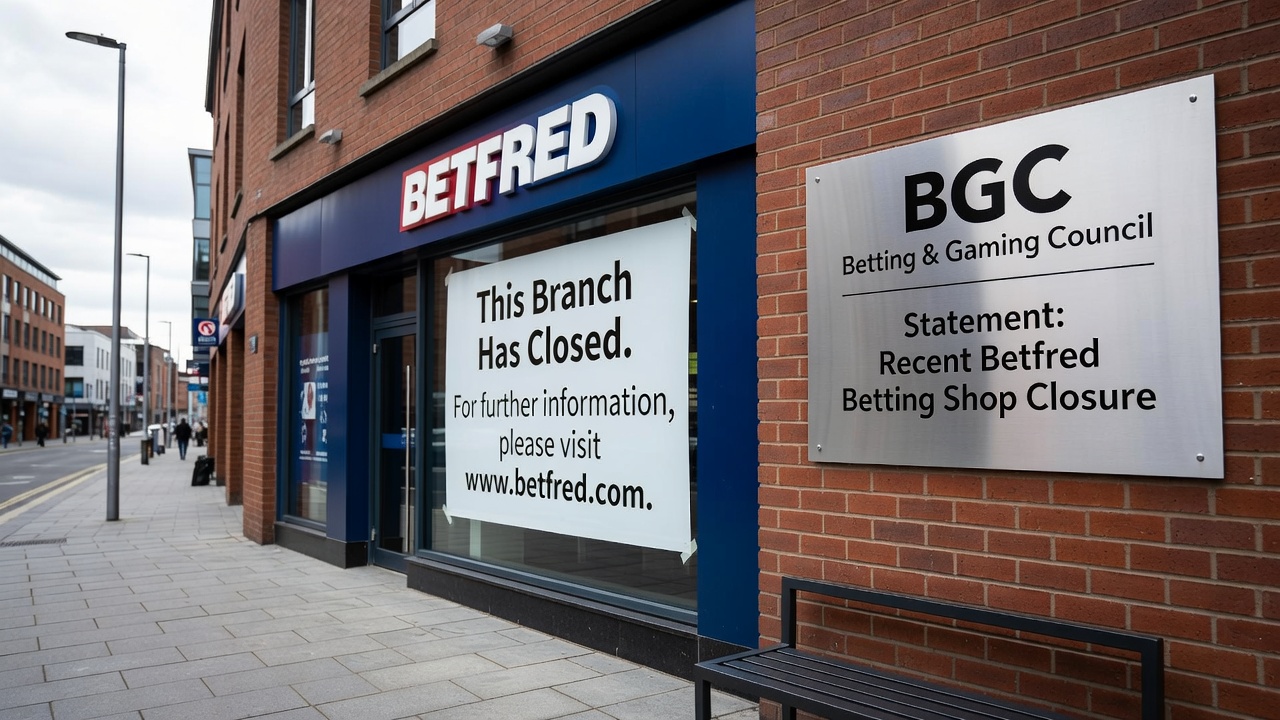
Flutter Entertainment projects a $320 million EBITDA impact from these constraints, leading to operational contractions that include staff reductions and scaled-back expansions; similarly, Evoke streamlines its UK footprint, as both firms navigate the narrower promotional playbook where once-flexible bonuses fueled acquisition.
Reports from firms like Yield Sec and Regulus Partners highlight surging black market activity, where unregulated platforms exploit the regulatory squeeze by offering uncapped bonuses and higher odds; people who've monitored offshore trends observe how licensed operators' compliance costs—now amplified by caps—drive some players underground, echoing patterns seen in post-2019 affordability check rollouts.
And yet, regulators stand firm, arguing these rules foster sustainable engagement over short-term hooks; one case from early implementations shows initial dips in sign-ups stabilizing as operators pivot to loyalty-focused incentives, although black market volumes reportedly climbed 15-20% in comparable jurisdictions.
Financial Risk Checks Pilot Delivers Strong Results
The UK Gambling Commission's pilot on financial risk checks across 1.7 million accounts clocks in at 97% success, demonstrating seamless integration of backend assessments that flag vulnerability without halting play; this initiative, wrapping up ahead of full rollout, verifies affordability in real-time using open banking data, a step that builds on prior frictionless gambling trials.
Figures from the pilot results indicate minimal user drop-off, with checks completing in seconds for most; experts analyzing the data note how this tech-forward approach—leveraging APIs from major banks—outpaces manual reviews, catching issues like deposit spikes tied to borrowing early and often.
Take one operator's experience during the trial: systems processed thousands of daily checks autonomously, reducing harm indicators by flagging 10% of high-risk profiles for gentle interventions; such outcomes underscore why the Commission eyes nationwide deployment by mid-2026, aligning with broader safer gambling mandates.
Crypto Payments on the Horizon for Regulated Play
Regulated cryptocurrency payments enter the fray come October 2027, with the Gambling Commission outlining frameworks that allow licensed operators to accept digital assets under strict KYC and anti-money laundering protocols; this follows consultations where industry voices pushed for innovation without repeating unlicensed crypto casino pitfalls.
Those studying payment evolutions highlight how crypto's speed and pseudonymity appeal to younger demographics, yet past unregulated booms showed deposit chasing risks; now, with tax duties applying post-conversion adn transaction logs mandated, the setup promises transparency that mirrors fiat rails, potentially capturing the £2 billion-plus in shadow crypto wagering.
It's noteworthy that preparatory sands shift already in 2026, as pilots test wallet integrations; observers who've tracked fintech crossovers, like those in Sweden's igaming scene, predict uptake starting slow but accelerating once trust builds through Commission-vetted providers.
Interconnected Pressures Define 2026's Gambling Dynamics
These developments—layered atop one another—create a cascade where tax hikes squeeze revenues just as promotional curbs limit recovery levers, while leadership flux at the Commission injects strategic unknowns; black market signals from Yield Sec and Regulus add urgency, prompting calls for balanced enforcement that doesn't inadvertently boost illicit alternatives.
Yet the financial checks pilot offers a counterpoint, proving tech can deliver protections scalably; with crypto's regulated dawn two years out, operators who adapt nimbly—perhaps by emphasizing sports betting's relative stability over slots—stand best positioned, since data shows diversified portfolios weathering such storms effectively.
One study of prior UK reforms found compliant firms rebounding within 18 months through product innovation; here, as March 2026 brings interim Commission adjustments, the sector's resilience hinges on navigating this multifaceted reset without fracturing player trust.
Conclusion: A Sector in Flux, Poised for Adaptation
The UK gambling landscape enters 2026 transformed, with Andrew Rhodes' April departure, April's duty doublings, January's promo clamps, and glowing risk check pilots weaving a tapestry of constraint and caution; black market whispers underscore stakes, yet regulated crypto's 2027 arrival hints at forward momentum.
Stakeholders watch closely as these threads interplay—operators contracting, regulators fortifying—knowing the rubber truly meets the road in execution; turns out, in a field where adaptation's always been key, 2026 tests that mettle like few years before, setting precedents for Europe's igaming future.