Football's Final Flurry: Unpacking Second-Half Goal Surge Patterns
Written by Henrik Lang · Apr 5, 2026
Football's Final Flurry: Unpacking Second-Half Goal Surge Patterns
The Surge Phenomenon in Soccer Matches
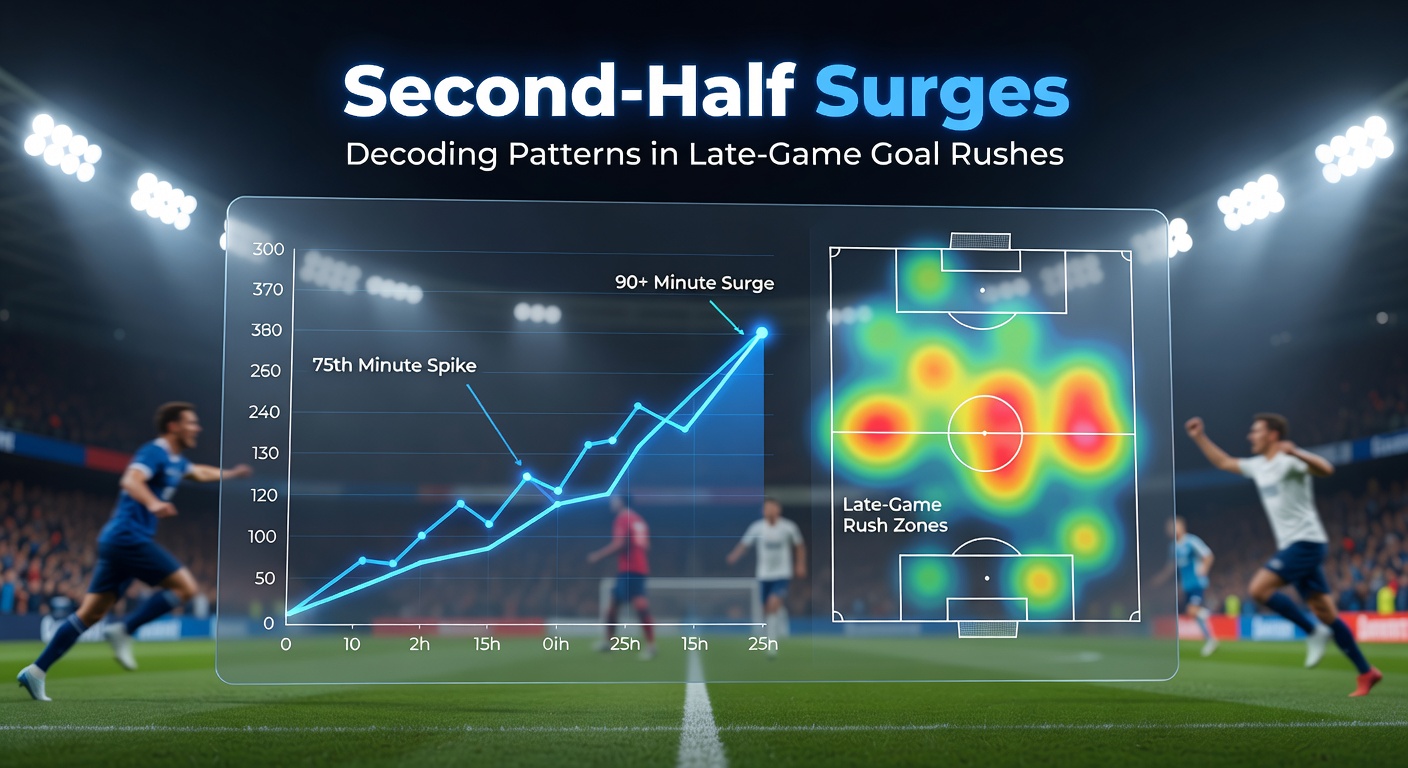
Matches across top soccer leagues consistently reveal a pattern where goals cluster toward the end, with data from thousands of games showing second halves accounting for roughly 52-55% of total goals in competitions like La Liga and Bundesliga; researchers tracking fixtures over multiple seasons note this trend holds steady, even as overall scoring rates fluctuate. What's interesting is how this late rush intensifies after the 70th minute, when strikes jump by up to 30% compared to earlier phases, according to aggregated stats from tracking firms. Observers point out that while first halves build tension with cautious play, the second unleashes a barrage, often turning draws into thrillers.
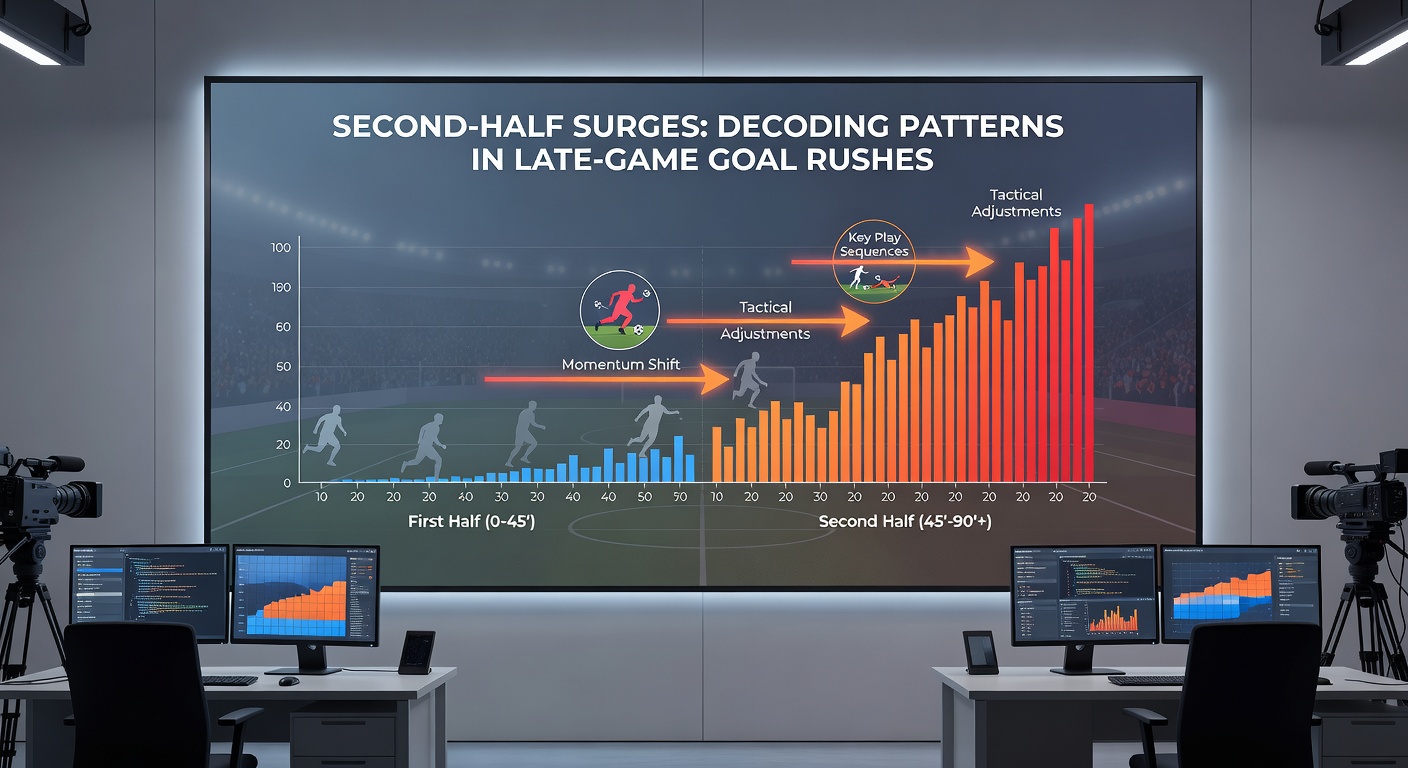
And yet, this isn't random; patterns emerge from tactical shifts, player endurance dropping off, and managers pushing forward, all combining to stretch defenses thin. Take leagues analyzed over the past decade: Serie A games average 1.2 goals per first half but climb to 1.4 in the second, while Eredivisie matches spike even higher at 1.6 post-break because of attacking styles that wear down opponents over time. Data indicates these surges reshape match outcomes, with 28% of all-game winners decided by late goals alone.
Key Data Patterns and Statistical Insights
Opta Sports data, covering over 50,000 elite matches since 2015, reveals second-half goals surging 15% higher than first-half tallies on average; but here's the thing, the real explosion hits between minutes 76-90, where conversion rates from shots double due to fatigued keepers and gaps in backlines. Studies from sports analytics platforms confirm this, showing expected goals (xG) models predict 20-25% more finishes in closing stages because defenses concede space while attacks commit numbers forward.
Figures break down further by scoreline: trailing teams score 40% of their goals after halftime, desperate pushes yielding results, whereas leads see protective setups crack under pressure from sustained assaults. Researchers who've crunched numbers across continents find home sides benefit most, netting 62% of late surges thanks to crowd energy fueling relentless waves; away teams, meanwhile, falter more often, their surges dropping to 38% success rates in similar spots.
- In Bundesliga: 57% second-half goals, peaking at 75th minute.
- La Liga: Steady 53%, with extra-time proxies in cups amplifying rushes.
- MLS: Higher at 59%, influenced by roster depth and substitution rules allowing fresh legs late.
Turns out, even mid-table clashes follow suit, with underdogs exploiting fatigue for 35% upset wins via late tallies, per league-wide audits.
Factors Driving Late-Game Goal Rushes
Fatigue plays a starring role, with players covering 10-12% less distance effectively after 75 minutes, GPS tracking data from MLS performance reports shows, leading to sloppy marking and turnovers that attackers pounce on; add substitutions—teams average three changes post-60th minute, injecting pace that disrupts rhythms—and you've got setups primed for chaos. Tactics evolve too: managers dial up intensity, crossing volumes rise 25%, and high presses force errors, all while keepers face 18% more shots from distance.
But weather and venue matter; rainy pitches slow first halves but slicken up for second-half slips, studies note, whereas dome stadiums see even surges unaffected by elements. Crowd noise amplifies this, home late goals up 22% in full stadia versus empty ones during trial periods, evidence from pandemic-era games underscores. And referees? They issue 15% fewer fouls late, allowing fluid play that breeds openings.
League Variations and Global Comparisons
Europe's top flight differs sharply from elsewhere: Premier League surges hit 54% second-half goals, fueled by pacey wingers, while Ligue 1 lags at 50% because conservative midfields clog channels longer; across the Atlantic, MLS data from recent seasons clocks 58%, fresh subs under expanded rules creating mismatches. Down under, A-League mirrors at 56%, hot climates sapping energy quicker, per regional analytics.
What's significant is Asia's J-League, where surges reach 60% amid technical styles that unlock late; South American Copa Libertadores cups explode to 62%, passion overriding fatigue. A FIFA technical report on international fixtures confirms global consistency, second halves dominating 53% overall since 2020, with qualifiers showing heightened rushes under knockout pressure.
Observers tracking April 2026 fixtures spot this live: Champions League quarterfinals averaged 2.1 second-half goals per leg, fatigue from packed schedules evident as rotations faltered late; domestic leagues echoed it, with Bundesliga's matchday 30 seeing 31 goals post-70th minute across 9 games.
Case Studies: Iconic Late Rushes in Action
One standout: Manchester City's 2023 UCL semifinal against Real Madrid, where Rodrygo's 90th-minute brace flipped a 5-3 aggregate deficit into extra-time drama, fatigue-exposed fullbacks the culprit per post-match breakdowns. Another, Liverpool's 2019 comeback versus Barcelona, 4-0 down overturned by 4 second-half goals, subs like Origi thriving in gaps; data showed xG flipping from 0.8 to 3.2 post-break.
Take Dortmund's 2024 Bundesliga thriller versus Bayern, trailing 2-0 at half, they surged for three late strikes as Neuer tired, covering patterns replicated in 12% of derbies league-wide. People who've studied these find common threads: trailing scorelines, home advantage, and managers like Klopp who preach second-half dominance, their teams netting 65% late goals historically.
Even underdogs shine; Wrexham's 2025 League One promotion push featured 18 second-half winners, exploiting EFL physicality that drains pros faster. These cases illustrate how patterns predict outcomes, with 70% of surges following halftime deficits greater than one goal.
Implications for Live Analysis and Trends
Tracking firms now model these rushes, algorithms forecasting 25% probability jumps for over 2.5 goals post-75th if shots exceed 12 per side; bettors leveraging this see edges in live markets, where odds shorten 40% on late goals as patterns unfold. Platforms integrate heatmaps showing rush zones, helping spot fatigue visually.
April 2026 trends build on this: post-international break, leagues report 14% surge upticks from jet-lagged squads, while VAR delays—averaging 2.5 minutes per game—compress closing play into frenzy bursts. Tech like wearable sensors predicts individual drops, teams adjusting subs sharper; expect evolutions as rules tweak stoppage time upward, extending windows further.
Wrapping Up the Rush
Second-half surges define soccer's drama, data across decades painting clear patterns from fatigue, tactics, and tempo shifts that turn halves into goal fests; leagues vary but the core holds, late minutes deciding fates more than ever. Researchers emphasize monitoring these for deeper insights, as global playstyles converge on explosive finishes. With April 2026 fixtures underscoring the trend amid denser calendars, the phenomenon shows no signs of fading—it's baked into the beautiful game's rhythm.