Fixture Overload in Midweek: Recovery Data Shaping League Betting Strategies
Written by Henrik Lang · Jun 28, 2026
Fixture Overload in Midweek: Recovery Data Shaping League Betting Strategies
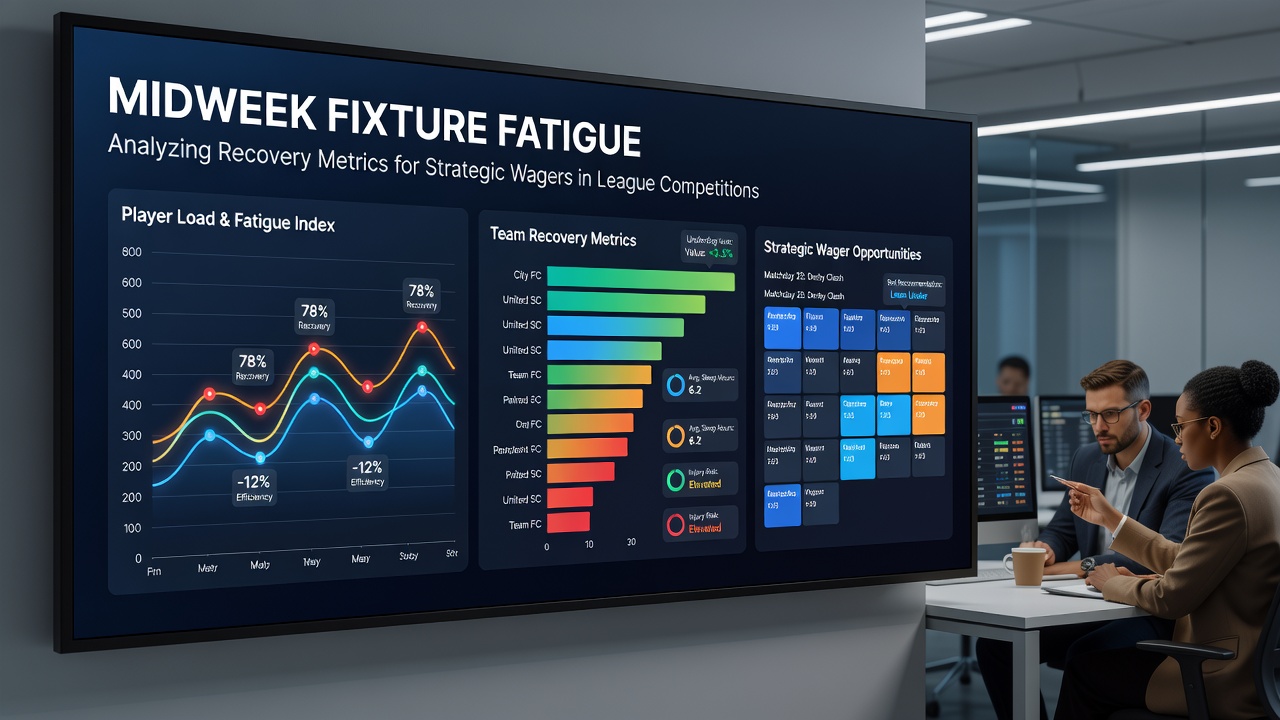
League schedules pack multiple competitions into tight windows, and this pattern forces clubs to rotate squads while monitoring player loads through GPS trackers and wellness questionnaires. Data collected across domestic cups and European ties reveals consistent drops in high-intensity running after three matches in eight days, with figures from the 2025-2026 season showing average reductions of 12 percent in total distance covered during the subsequent league outing.
Patterns of Congestion Across Competitions
Clubs in top divisions often encounter clusters of games between Tuesday and Thursday, and these slots overlap with weekend league fixtures that leave limited recovery time. Observers tracking the 2025-2026 calendar note that teams advancing in cup competitions face an average of 2.4 extra matches per month compared with sides eliminated early, which correlates with measurable changes in muscle soreness scores reported by medical staff. European leagues publish fixture lists well in advance, yet weather disruptions and broadcast adjustments can compress rest periods further, particularly in northern divisions where pitches freeze and delay rescheduling.
Key Recovery Metrics and Measurement Tools
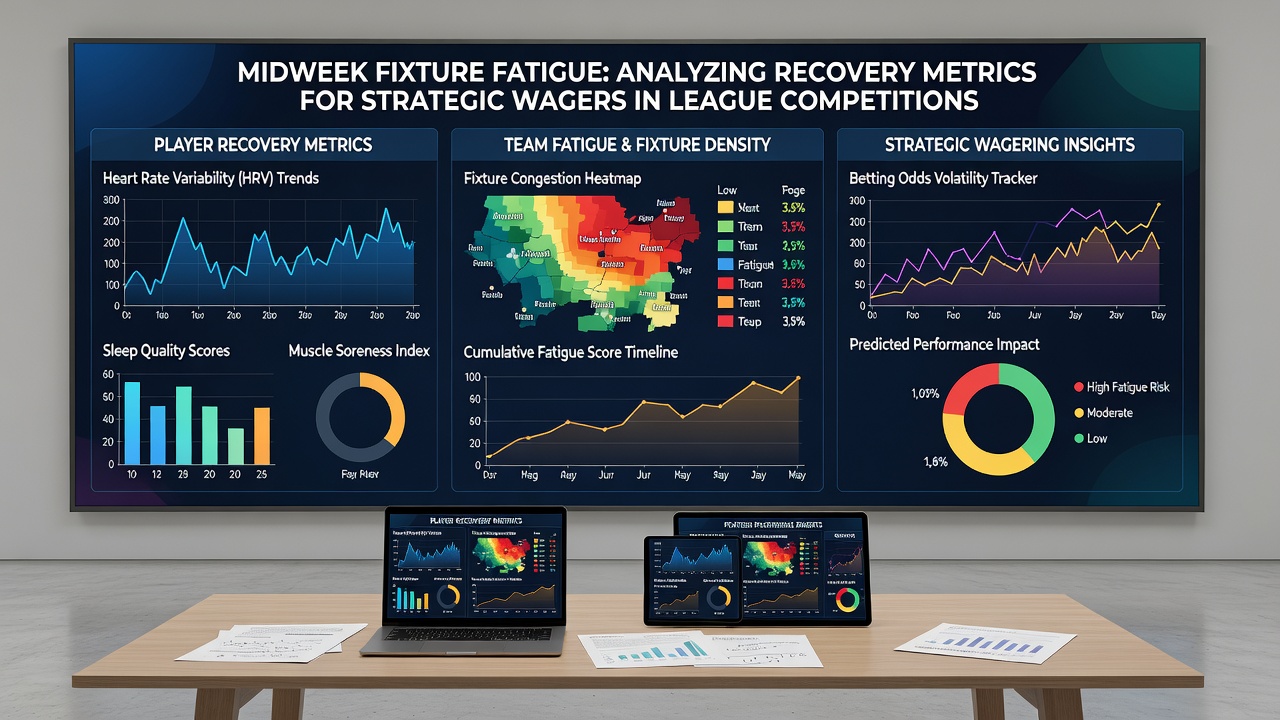
Performance analysts rely on several indicators to quantify fatigue, including heart-rate variability, creatine kinase levels, and subjective ratings of perceived exertion collected each morning. Wearable devices capture acceleration and deceleration counts, while sleep trackers log total hours and efficiency; studies from the American College of Sports Medicine link reductions below six hours of quality sleep to slower reaction times on the pitch. Research published in Medicine & Science in Sports & Exercise demonstrates that players logging fewer than 85 percent of their baseline sleep efficiency show a 9 percent decline in successful pass completion during the following 72 hours. Clubs combine these numbers with external load data from training sessions to produce daily readiness scores that inform selection decisions.
Performance Impacts on Subsequent League Matches
Teams playing midweek European fixtures record lower expected goal values in their next domestic league game when recovery windows fall below 72 hours, according to aggregated match data. Sprint counts drop most sharply among full-backs and wingers who cover the greatest distances in those earlier contests, while central defenders exhibit slower recovery in vertical jump tests. Analysts examining five major leagues between August 2025 and June 2026 found that sides with two or more players returning from international duty in the same week experience an additional 7 percent drop in shots on target. These patterns hold across different competition structures, although leagues with winter breaks provide longer reset periods that mitigate some effects.
Integrating Metrics Into Wager Construction
Betting models incorporate recovery indices by weighting recent fixture density against individual player availability reports released 24 hours before kickoff. Markets on total goals and corners show measurable shifts when one side logs higher cumulative load in the prior ten days, with under-2.5 goals appearing more frequently in such scenarios across sampled matches. Traders monitoring yellow-card thresholds also factor in fatigue because reduced decision speed increases foul rates; data sets covering the Bundesliga and Serie A confirm a 14 percent rise in bookings for teams on short rest. Strategic approaches therefore combine official team news with anonymized load metrics published by sports-science platforms, allowing position-specific adjustments rather than blanket team assessments.
League-Specific Variations and Data Sources
Domestic calendars differ in how they schedule cup replays and European qualifiers, and these differences produce distinct recovery profiles. French and Portuguese leagues tend to cluster midweek games earlier in the month, whereas German and Dutch schedules spread them more evenly. FIFA medical network reports compiled through June 2026 highlight that clubs with deeper squads maintain higher baseline wellness scores during congestion periods, yet even these sides show performance decay after four matches in fourteen days. International windows in March and September add another layer because returning players often miss midweek training, which compounds the load from league and cup duties.
Conclusion
Recovery metrics provide a factual basis for evaluating how midweek fixtures influence league outcomes, and analysts continue to refine models as more granular data becomes available from clubs and governing bodies. The 2025-2026 season supplies fresh examples of how sleep, load, and muscle markers translate into measurable performance differences, enabling more precise assessments of team readiness across competitions.