European Club Duties Shape Weekend Football Betting Markets
Written by Henrik Lang · Jul 24, 2026
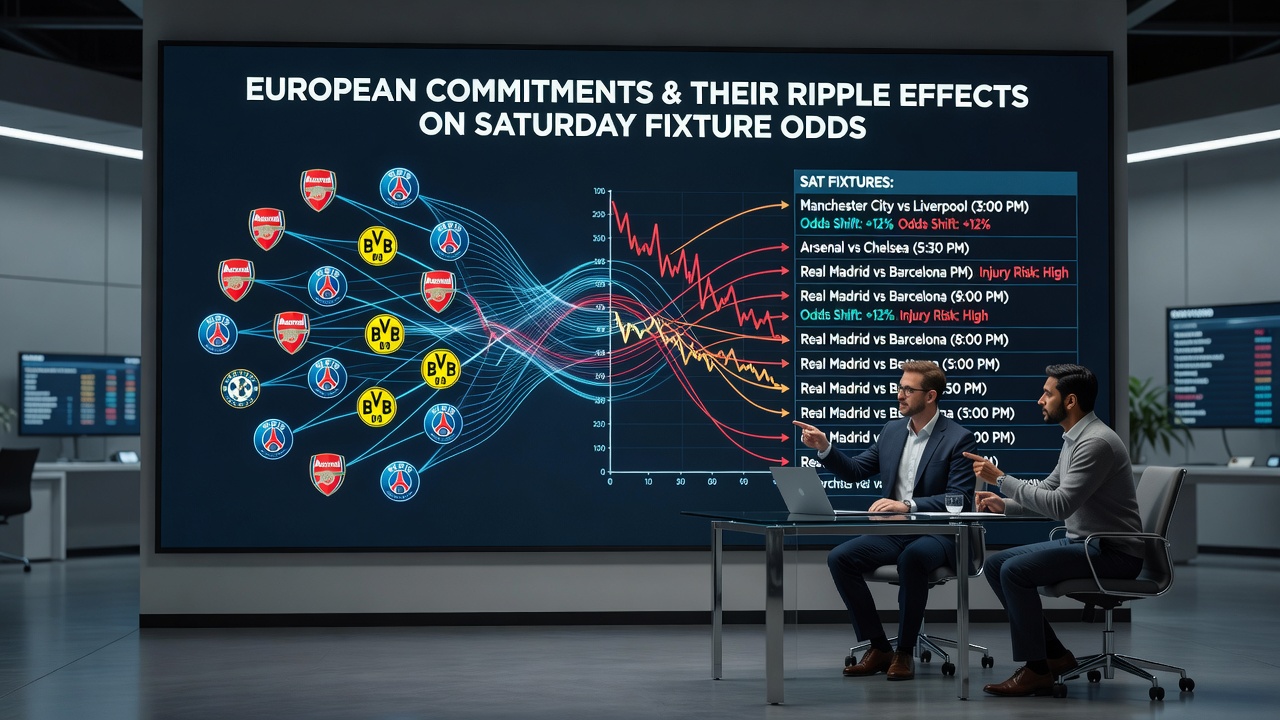
European Club Duties Shape Weekend Football Betting Markets
European commitments require clubs to balance domestic schedules with continental fixtures and these obligations create measurable shifts in Saturday betting lines across major leagues. Data from recent seasons shows that teams returning from midweek travel often face adjusted odds in their weekend matches because bookmakers incorporate fatigue metrics, squad rotation patterns, and historical performance records into their pricing models. Observers note that such adjustments appear consistently in markets for both match outcomes and total goals, reflecting patterns documented in multiple European competitions.
Travel Demands and Performance Indicators
Long-haul trips for Champions League or Europa League games introduce recovery challenges that influence player availability and tactical setups on Saturdays. Research from sports science institutes across Europe indicates that teams logging more than 1,500 kilometers in midweek travel record lower expected goal totals in subsequent domestic fixtures, prompting oddsmakers to widen spreads on over/under markets. Figures from the 2025 calendar year reveal that clubs with back-to-back away European ties posted win rates approximately 12 percent below their season averages, a trend tracked by betting analysts who adjust lines accordingly. These adjustments occur early in the week, allowing markets to stabilize before Saturday kickoffs.
Squad Rotation Strategies and Market Responses
Coaches frequently alter lineups after European nights, resting key players while introducing fringe squad members for league encounters. This rotation produces detectable changes in betting odds as data providers update team news and expected lineups throughout the week. According to reports compiled by the European Club Association, managers at top-five league sides rotate an average of 4.2 players following continental matches, a practice that correlates with shifts in handicap and goal markets. Bettors who monitor these changes often find value in unders or draw outcomes when prominent attackers sit out, because statistical models show reduced scoring efficiency in such scenarios.
Historical Data Patterns in Weekend Fixtures
Analysis of matches from 2020 through 2025 demonstrates recurring outcomes when European commitments precede Saturday games. Teams with midweek continental action cover the spread in only 47 percent of domestic fixtures, while their opponents exceed projected totals more frequently. These patterns hold across multiple leagues, with variations tied to fixture congestion during spring months. In July 2026 the expanded Club World Cup format adds another layer of scheduling pressure, as clubs prepare for additional international obligations that may extend into pre-season and early domestic rounds. Betting operators incorporate these calendar elements when setting initial lines for the new campaign.
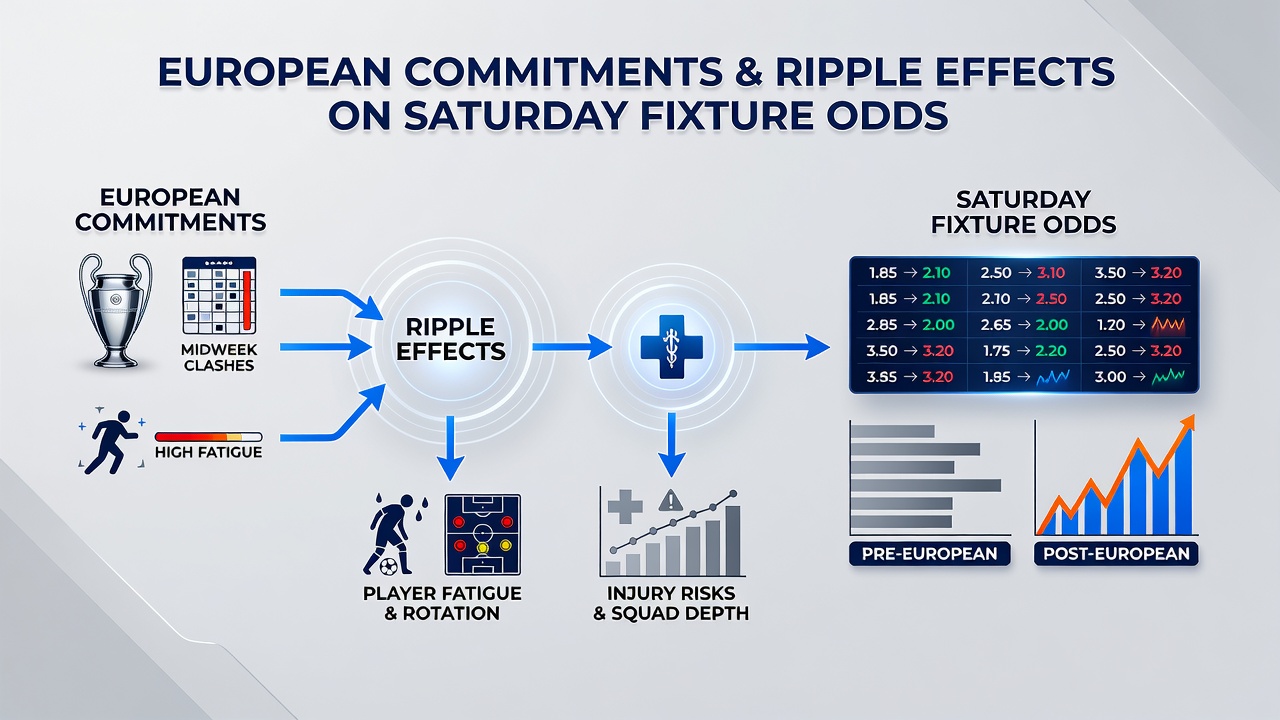
Case studies from Bundesliga and Serie A clubs illustrate how public perception interacts with data-driven odds. After a Thursday night European match, markets often open with inflated totals because casual bettors anticipate high-scoring affairs, yet sharp money frequently lands on unders once team sheets confirm rotations. This dynamic appears repeatedly in historical records and leads to line movement that rewards disciplined analysis of rest advantages.
Regulatory and Industry Context
European football governing bodies publish fixture calendars that inform betting operators about potential congestion points. A study released by the University of Leuven's sports analytics group links increased travel loads to measurable declines in sprint metrics and passing accuracy, information that feeds into advanced modeling used by odds compilers. Meanwhile, industry reports from the Australian wagering sector highlight similar adjustments in Asian handicap markets when European teams face condensed schedules. Such cross-regional data sharing helps standardize how markets price fatigue across different time zones and competitions.
Conclusion
European commitments generate consistent ripple effects on Saturday fixture odds through documented influences on travel, rotation, and performance metrics. Operators and bettors alike rely on these patterns to refine pricing and strategy, drawing from historical datasets and calendar information that extend into future seasons including the 2026 adjustments. The result is a betting landscape where midweek continental duties become a core variable in weekend market construction.