Combining Climatic Influences and Current Performance Indicators to Optimize Layered Football Betting Structures
Written by Noah Patterson · Jun 5, 2026
Combining Climatic Influences and Current Performance Indicators to Optimize Layered Football Betting Structures
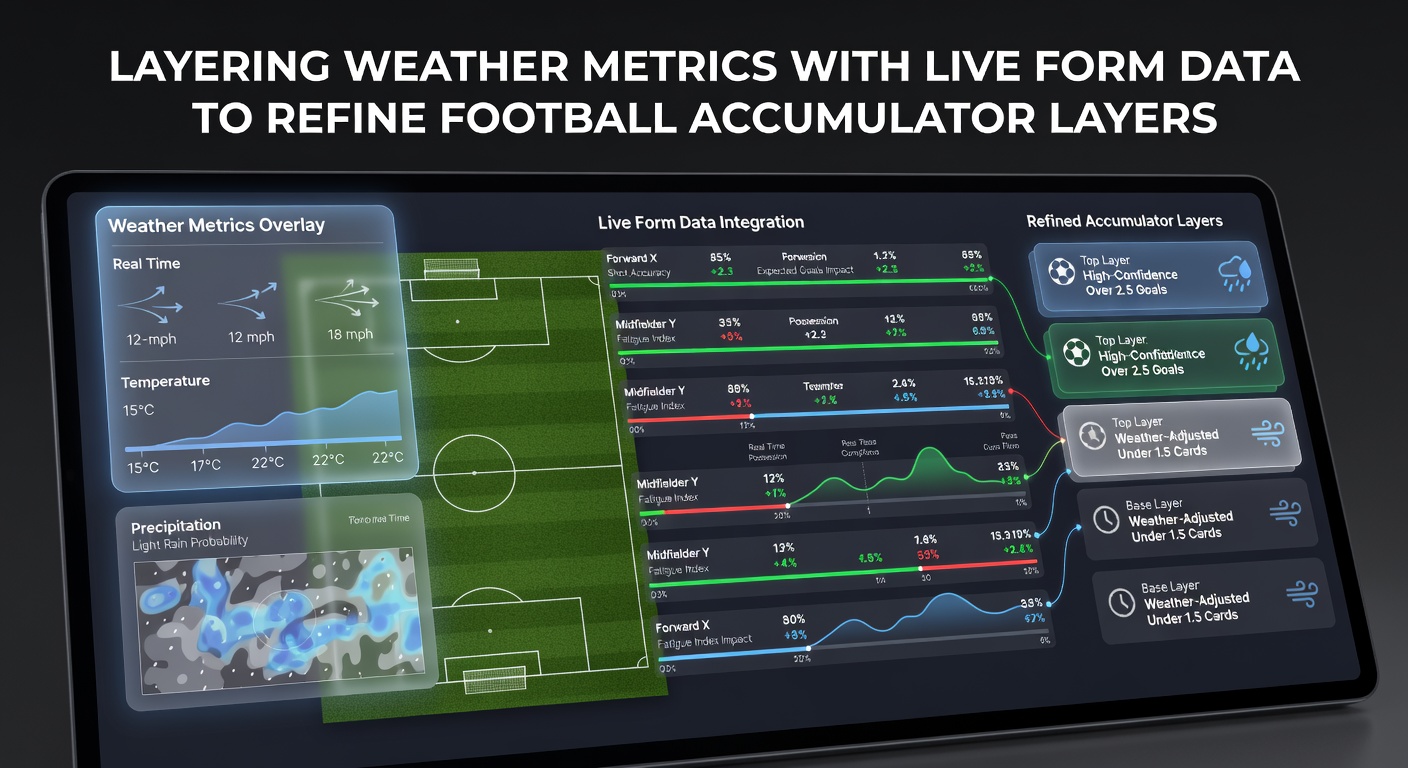
Analysts in sports data fields have documented how environmental conditions intersect with team performance records when constructing multi-selection wagers on association football matches, and observers note that atmospheric variables such as precipitation levels, wind velocity, and temperature ranges alter ball trajectory, player movement efficiency, and pitch surface consistency during competitive fixtures.
Research published by the Australian Sports Commission shows measurable impacts from rainfall exceeding 5 millimeters per hour on passing accuracy rates across professional leagues, while wind speeds above 25 kilometers per hour correlate with increased long-ball attempts and reduced set-piece conversion percentages in outdoor stadium environments. Those patterns emerge consistently in datasets covering multiple seasons across European and South American competitions, and experts integrate these figures with live form metrics that track recent match outcomes, player availability updates, and tactical adjustments observed in the preceding four to six fixtures.
Atmospheric Data Integration Methods
Specialized platforms compile granular weather forecasts from regional meteorological networks and align them against historical performance logs from specific venues, allowing for layered filtering of accumulator selections where rain-affected pitches favor teams with strong aerial duel statistics or robust defensive structures. Temperature fluctuations below 10 degrees Celsius have been linked in multiple studies to elevated injury incidence rates during high-intensity periods, particularly in matches involving squads that rely on quick transitional play, and such information refines the weighting applied to individual legs within larger betting structures.
Live form indicators supplement these layers through continuous updates on squad rotation patterns, goal-scoring sequences, and defensive organization metrics derived from match-tracking systems. When combined, the two data streams produce refined probability estimates that account for both pre-match environmental forecasts and evolving team conditions reported within 24 hours of kickoff, and practitioners adjust accumulator depth accordingly to maintain balanced risk distribution across selections.
Application in Accumulator Construction
One documented case involved a series of matches in northern European leagues during periods of variable spring weather where forecasters predicted localized showers coinciding with teams demonstrating improved set-piece records over their last five outings. The alignment produced accumulator configurations that prioritized selections featuring elevated corners and headers expected under damp conditions, and data from those periods indicated higher completion rates compared with unadjusted multi-bet approaches that ignored climatic overlays.
Wind direction analysis further refines outcomes in stadiums with open ends or prevailing cross-field gusts, where attacking patterns shift toward the sheltered side of the pitch and teams with pace-oriented wing play record altered shot volumes. Form data collected from recent away fixtures at similar venues supplies additional calibration, enabling bettors to layer selections that account for both expected weather disruptions and demonstrated adaptability in comparable circumstances.

Regional Variations and Data Sources
Matches scheduled in subtropical climates present distinct challenges where humidity levels above 70 percent extend recovery intervals between high-effort phases, and research from the University of Queensland's sports science department has quantified reductions in sprint frequency during second halves under those conditions. Form indicators from clubs that maintain consistent hydration protocols and substitution patterns provide counterbalancing data points for accumulator layers targeting total goals or player-specific markets.
European competitions scheduled for early summer periods, including fixtures around June 2026, frequently encounter rapid temperature rises that affect both pitch hardness and player endurance, prompting analysts to cross-reference venue-specific weather histories with current injury reports and recent performance trends. This dual-layer approach supports more granular filtering of selections while preserving the structural integrity of multi-leg wagers across domestic and continental schedules.
Technical Implementation Practices
Software tools aggregate real-time meteorological feeds with performance databases that update at 15-minute intervals during matchdays, generating composite scores that flag selections where weather conditions and live form metrics converge favorably. Users apply these scores to adjust stake distribution within accumulators, increasing exposure on legs where both data categories reinforce expected outcomes and reducing allocation where conflicting signals appear.
Statistical models developed by independent research groups demonstrate that incorporating these combined inputs improves calibration of implied probabilities in markets such as over/under goals and both-teams-to-score, particularly when venue altitude and humidity interact with teams displaying recent improvements in pressing intensity. Observers note that the process requires continuous validation against completed fixtures to maintain model accuracy across varying league styles and seasonal phases.
Conclusion
Integration of climatic metrics with live form indicators continues to evolve as data collection technologies advance and more granular venue-specific records become available. Practitioners apply these layered approaches across global football calendars to construct accumulators that reflect documented environmental influences alongside current squad dynamics, and the resulting structures draw from multiple authoritative datasets to support systematic selection processes.