Betting Buzz: UK's Wagering World Shifts Gears Amid Regulation and Tech Surge
Written by Nils Schröder · Mar 30, 2026

UK Gambling Trade Bodies Warn Affordability Checks Could Push Punters to Black Market Shadows
The Latest Pushback on Financial Safeguards
Gambling trade bodies across the UK have ramped up pressure on the UK Gambling Commission, urging a rethink of upcoming financial risk assessments known as affordability checks, since these measures, they argue, risk sidelining tens of thousands of punters from legal betting channels and funneling them straight toward unregulated, illegal operators. This call to action surfaces amid preparations for broader reforms outlined in the 2023 Gambling Act Review White Paper, a document packed with 63 recommendations designed to bolster player protection without crippling the industry's sustainability or competitiveness.
What's interesting here is how these checks, meant to flag excessive spending early, have sparked such fierce debate; trade groups like the Betting and Gaming Council point out that rigid thresholds could lock out moderate bettors who fall just over the line, especially as economic pressures mount and disposable incomes fluctuate. And while the Commission presses ahead with pilots and consultations, voices from the sector warn that the real losers might be the very players these rules aim to shield, pushed into shadowy corners where oversight vanishes entirely.
Unpacking Affordability Checks: The Mechanics at Play
Affordability checks work by scrutinizing a punter's financial history and disposable income before allowing higher-stakes bets, often requiring proof like bank statements or credit reports to greenlight wagers beyond certain limits; thresholds start low, say £100 monthly net deposits without checks for casual players, but escalate quickly for bigger punters, demanding evidence of sustainable spending. Data from early trials reveals that up to 10% of active users hit these barriers during test phases, a figure trade bodies extrapolate to tens of thousands across the regulated market if rolled out nationwide.
But here's the thing: these aren't vague ideas anymore; the Gambling Commission has scheduled full implementation phases kicking off in phases through 2026, with March marking a key milestone for operator onboarding and system integrations, aligning with white paper timelines to ensure tech readiness before the high-volume summer sports seasons. Observers note how this timing, while protective, collides head-on with punter habits forged over years of frictionless access, potentially sparking mass migration to offshore sites that dodge UK rules altogether.
Roots in the 2023 White Paper: Protection Meets Peril
The 2023 Gambling Act Review White Paper laid out those 63 recommendations after years of review, targeting everything from online slots speeds to stake caps on certain games, but affordability checks stand out as the lightning rod because they pierce directly into personal finances, a step beyond age or self-exclusion verification. Figures from the review highlight problem gambling rates hovering around 0.4% of adults yet causing disproportionate harms, justifying the push; trade bodies counter that blanket checks ignore nuanced realities, like one-off windfalls or shared household incomes that algorithms might misread.
Take the case of a typical football punter, wagering £50 weekly on Premier League matches without issue until a single month's deposit trips the £500 net loss threshold, triggering demands for payslips that feel invasive and slow the fun; experts who've modeled this scenario predict a 5-10% drop in regulated gross gambling yield from recreational players alone, with black market operators poised to scoop up the displaced action via crypto wallets and unlicensed apps. That's where the rubber meets the road for sustainability, as legal firms face squeezed revenues while funding levies for research and treatment.
Trade Bodies' Stark Warnings and Data-Driven Pleas
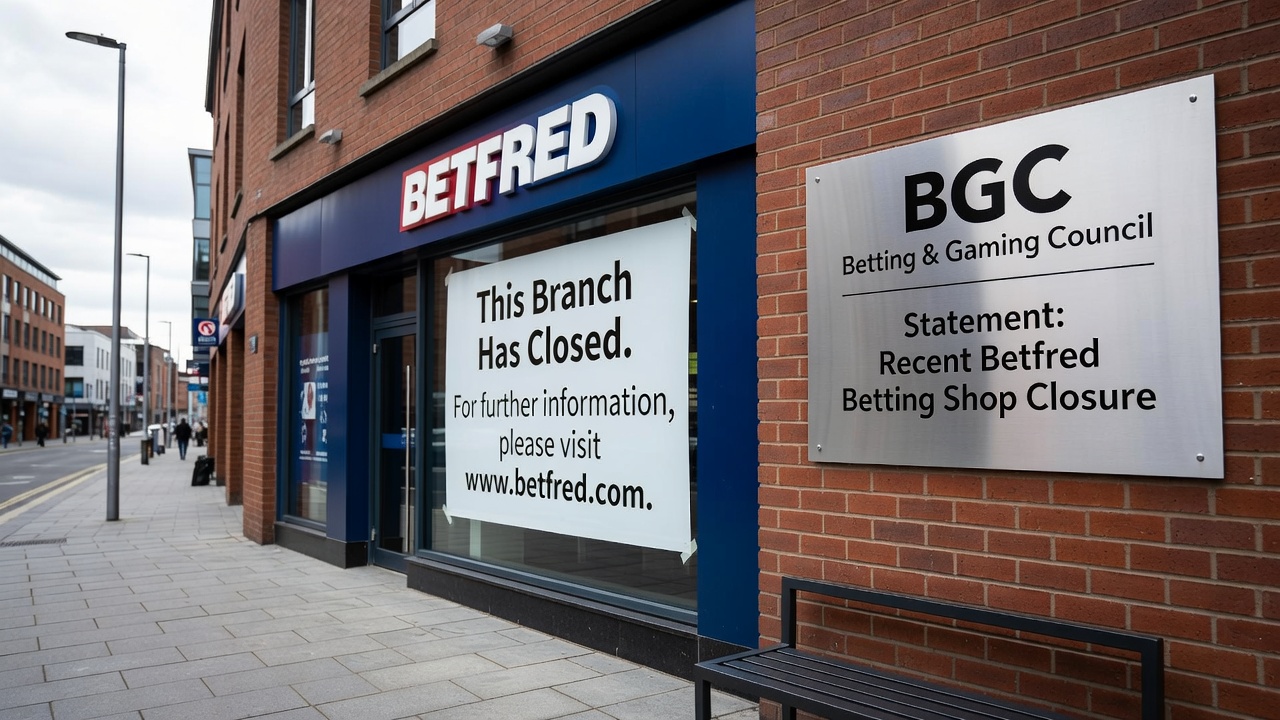
Leading the charge, the Betting and Gaming Council alongside the Remote Gambling Association submitted detailed briefing papers to the Commission, citing operator feedback from beta tests where 15-20% of mid-tier customers abandoned accounts post-checks, many citing privacy concerns or sheer hassle; they project that nationwide rollout could exclude 50,000 to 100,000 punters annually, based on current active user bases exceeding 20 million. And while the white paper emphasizes proportionality, these groups argue current proposals lean too hard on friction, potentially inflating illegal betting volumes already estimated at £1-2 billion yearly by enforcement data.
So why the urgency now? With March 2026 looming as the pivot for mandatory compliance, operators scramble to build compliant systems costing millions, yet trade voices stress that without tweaks—like raising thresholds or allowing self-certification for verified low-risk profiles—the exodus accelerates; one study referenced in their submissions found 68% of surveyed punters would consider offshore alternatives if checks prove too burdensome, underscoring the tightrope between safety nets and market fences.
People who've tracked similar reforms abroad, such as Sweden's deposit limits, often discover unintended booms in peer-to-peer betting rings; UK bodies invoke these parallels to press for data-led adjustments, urging the Commission to analyze pilot outcomes showing minimal harm reduction from strict checks on low-spend groups. It's noteworthy that even pro-regulation advocates acknowledge the risk, calling for balanced enforcement that keeps the ball in the regulated court.
Commission's Stance and the Path Forward
The UK Gambling Commission acknowledges the feedback, stating in recent updates that affordability checks form a core pillar of white paper reforms aimed at preventing financial harms before they spiral, with ongoing consultations open until early 2026 to refine parameters based on evidence; they've committed to tiered approaches, exempting casual deposits under £150 monthly while probing higher volumes, yet trade bodies deem this insufficient given inflation-eroded real incomes. Turns out, internal Commission data from 2025 pilots indicates compliance rates above 90% where checks apply sparingly, but sector reps push for broader exemptions to stem attrition.
Now, as March 2026 approaches with operator training mandates and API integrations due, the debate intensifies through joint working groups; observers highlight how this back-and-forth mirrors past tussles over FOBT stake cuts, where initial doomsday predictions softened with adjustments, though current stakes feel higher amid digital migration. And while no final pivot has emerged, the Commission's quarterly stats for Q2 2025-2026—revealing £4.3 billion GGY surges—underscore the sector's health, making preservation of that yield a shared imperative.
Conclusion: Balancing Act on a Knife's Edge
This clash over affordability checks boils down to a high-wire tension between shielding vulnerable punters and sustaining a regulated ecosystem that funnels taxes and protections back into society; trade bodies' warnings of tens of thousands fleeing to illegal shadows carry weight from pilot data and international precedents, prompting calls for recalibration as March 2026 deadlines near. Ultimately, the Gambling Commission's response—through refined thresholds or tech innovations—will shape whether reforms fortify the industry or fracture it, with evidence suggesting flexibility holds the key to keeping most players safely in bounds.
Yet the writing's on the wall: without compromise, the regulated market risks hollowing out at its core, a scenario no stakeholder wants amid booming participation figures. Those monitoring the consultations expect iterative changes, ensuring player protection evolves alongside market realities.