Betfred Shop Closures Tied Directly to Recent UK Tax Increases
Written by Nils Schröder · Aug 7, 2026

Betfred Shop Closures Tied Directly to Recent UK Tax Increases
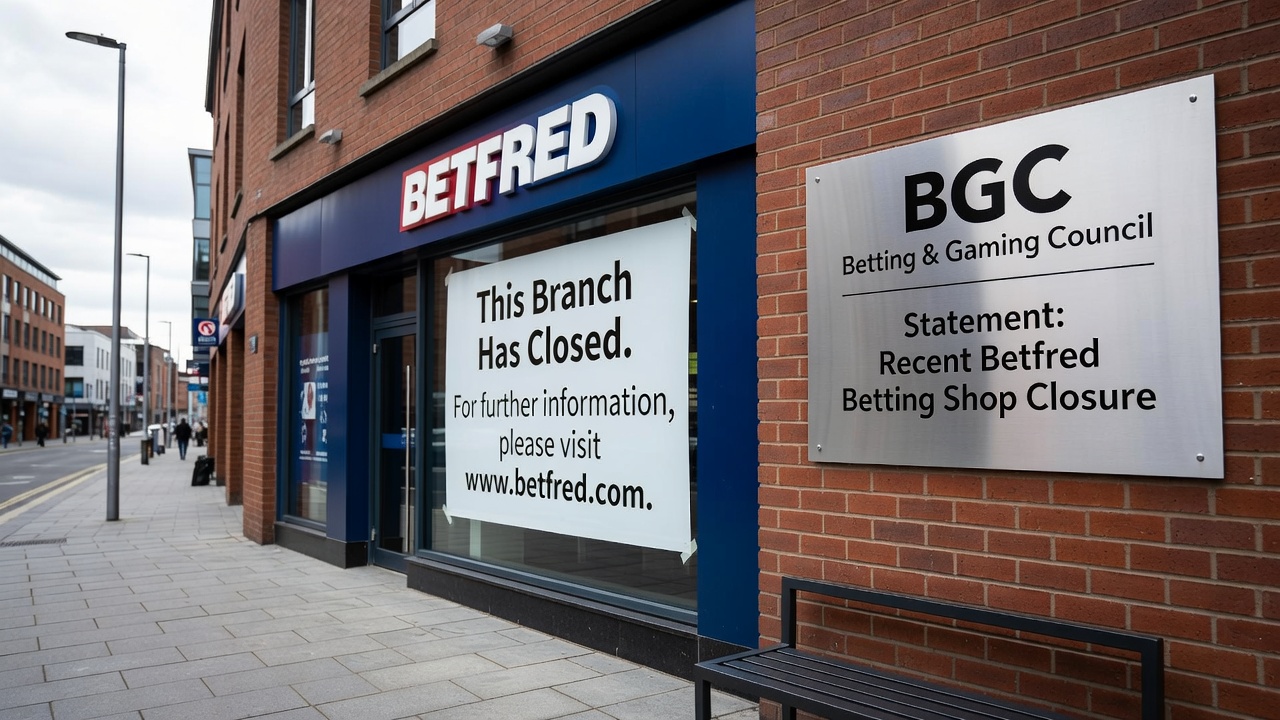
teh Betting & Gaming Council released a statement in August 2026 that connects recent Betfred betting shop closures to tax increases introduced in the prior Budget. The organization points to these rises as the primary factor behind reduced operations at multiple locations, and it notes the broader effects on employment, local high streets, horseracing investment, and the licensed sector. According to the BGC, the tax changes have increased operating costs for physical betting outlets to the point where several Betfred sites could no longer remain viable. The statement lists specific closures and attributes them to the cumulative financial pressure from the new rates rather than to shifts in customer behavior or other market forces.Details from the BGC Statement
The council explains that the Budget measures raised the tax burden on land-based betting activities, and this adjustment occurred at a time when many shops already faced tight margins. Data compiled by the BGC shows that the affected Betfred outlets contributed to job losses in retail positions while also reducing footfall for neighboring businesses on the same high streets.
Observers note that the closures follow a pattern where operators reassess site profitability after tax adjustments take effect. The statement emphasizes that the regulated industry absorbs these costs directly, whereas unlicensed operators avoid similar obligations and continue to capture market share without contributing to tax revenue or regulatory standards.
Effects on Jobs and High Street Businesses
Figures released alongside the BGC statement indicate that each closed betting shop removes several full-time and part-time roles from local economies. The council reports that staff at the shuttered Betfred locations received redundancy notices tied to the tax-driven viability review, and it adds that remaining sites now operate with reduced hours in some cases.
High street retailers nearby experience secondary effects because betting shops traditionally draw regular visitors who also spend at adjacent stores. The statement records that footfall data from affected areas shows measurable drops after closures, and it connects these trends to the same tax increases that prompted Betfred to scale back its physical presence.
Impact on British Horseracing Investment
The BGC highlights that a portion of revenue from regulated betting shops supports British horseracing through industry levies and sponsorship arrangements. With fewer shops operating, the statement warns that these funding streams face reduction, which in turn affects prize money, training facilities, and racecourse maintenance across the country.
Those who track racing economics observe that the regulated betting sector has historically provided stable contributions through the Horserace Betting Levy Board. The council's latest figures reveal that recent closures already correlate with lower projected payments for the current fiscal year, and it projects further shortfalls if additional sites close under sustained tax pressure.
Shift Toward the Unregulated Market
The statement stresses that tax increases on the licensed industry create a competitive advantage for black-market operators who do not pay equivalent duties or comply with consumer protection rules. BGC data shows increased activity on unregulated platforms following the Budget changes, and it notes that these operators target the same customer base previously served by high-street shops.
People familiar with enforcement patterns report that black-market sites operate without age verification or spending limits, yet they face no direct tax consequences from the recent rises. The council argues that this imbalance accelerates the migration of betting activity away from regulated channels, which in turn reduces overall tax receipts and weakens consumer safeguards.
Broader Industry Context in August 2026
By August 2026, the BGC statement places the Betfred closures within an ongoing cycle of regulatory and fiscal adjustments that began with the previous Budget. The organization records that multiple operators have conducted similar reviews of their retail portfolios, and it states that further site reductions remain possible while the current tax structure stays in place.
The council continues to publish updates on these developments through its official channels, including the full text of its position on the Betfred situation. Readers can access the complete statement at BGC: BETFRED CLOSURES SHOW THE REAL COST OF GOVERNMENT TAX RISES for additional details on the reported closures and their attributed causes.
Conclusion
The BGC statement presents a direct link between the recent Budget tax increases and the sequence of Betfred betting shop closures that occurred in the months afterward. It documents the resulting effects on employment numbers, high street activity, horseracing funding streams, and the competitive position of the regulated sector relative to unlicensed alternatives. The council maintains that these outcomes follow from the tax changes and continues to track further developments within the same framework.